Winter can be hard on both drivers and cars. Cold, ice and snow add even more stress to your car’s systems, and can lead to problems if you’re not ready for them. These are essential steps for winter readiness; they’ll keep you safer and have your vehicle in top shape, and more importantly, will save you from costly repairs. Attack your car prep well before the cold sets in to give you peace of mind come driving in wintery weather, and below are a few more suggestions. This article examines some of the key things anyone who owns an automobile can do to make sure it’s prepared for snow and ice.
Why Winter Car Prep Is Essential
Winterizing your car is not something that you should do, but rather must — and that’s as much for the life of your car as it is for you. Unprepared, some people have breakdowns, accidents and winter tire blow outs due to poor traction and mechanical failures. Winter car prep also ensures your heating and defrosting systems are in good working order so that you stay warm, can see clearly.
Step-by-Step Car Winter Preparation Guide
The winter’s cold, snow and ice — not to mention road salt — can take a major toll on your vehicle’s performance and safety. Preparing your car for winter can save you money by protecting your vehicle from damage and keeping you safe when slick roads make driving a challenge. To get your car winter-ready, follow this complete step-by-step guide:
Switch to Winter Tires
Winter tires are engineered to be pliable in frigid temperatures and to deliver more traction in snow and ice. If you are in a snow-heavy area, install winter tires before the first flakes fall. Monitor tread depth frequently, replace tires when they are worn.
Check Tire Pressure Regularly
Tire air pressure goes down with cold air. Maintain air pressure as per instructions for good ride and long wear. Pressure should be checked monthly in the winter.
Test and Maintain Your Battery
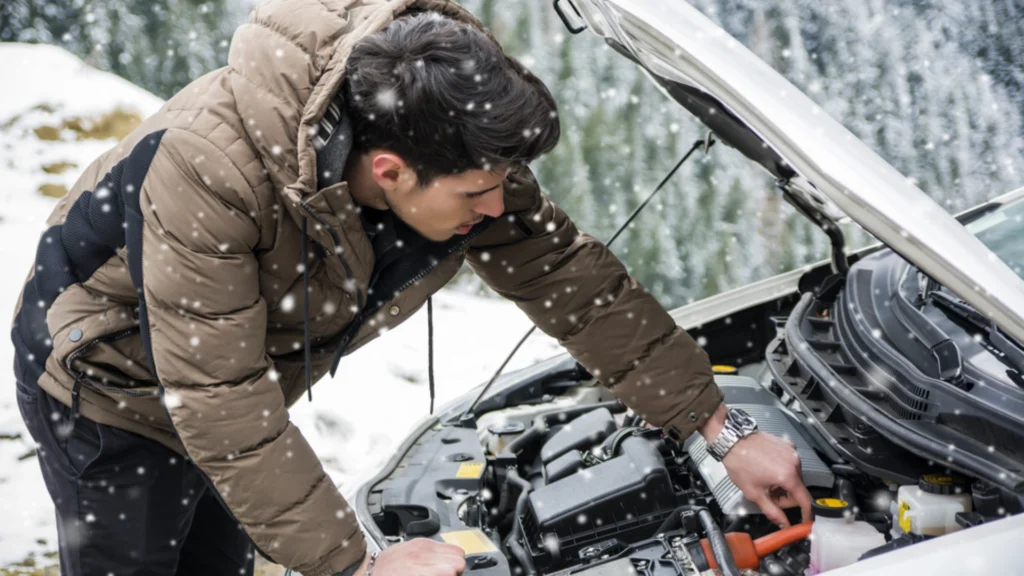
Cold weather weakens car batteries. Have your battery tested to ensure you have enough charge power to crank the car. Check batteries for age and order replacements for old or weak ones before the winter season has you stranded where you least want to break down.
Check and Top Off Fluids
2, Antifreeze/Coolant: Look to make sure you have the correct level (do not open hot or cold) and that it is of the right antifreeze/water mixture so your car will not freeze.
Windshield Washer Fluid – Winter formula that takes the grime and dirt away from your windshield without refreezing.
Oil: You may want to consider making your regular oil royal with a switch to winter-grade or synthetic, both of which flow more readily in colder weather.
Replace Windshield Wipers
Winter wipers can cope with snow and ice. Check your wipers for wear and replace them if they streak or don’t wipe the glass well.
Inspect Heating and Defrost Systems
You may be driving in cold or snowy conditions so you will need to keep warm and maintain visibility. Two things you should ensure work before the start of winter.
Lubricate Door Seals and Locks
Cold can freeze door seals and locks, making it difficult to open doors. Rubber seals and locks can be kept flexible and ice-free by applying silicone spray or lubricant.
Pack an Emergency Kit
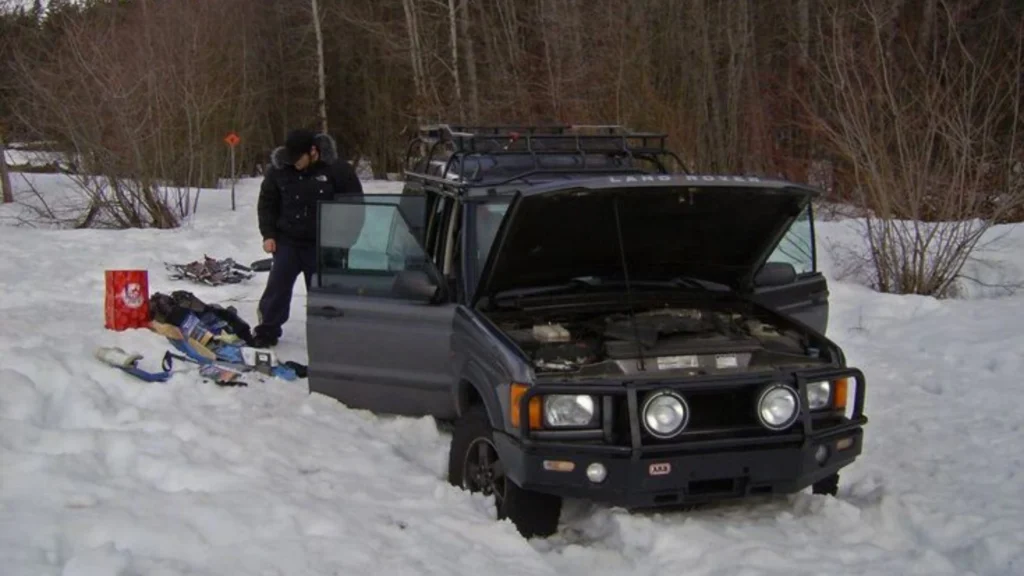
Pack a blanket, flashlight, ice scraper/jumper cables and water/snacks. This kit can save your life if you become stranded on a trip during the winter time.
Use Heavy-Duty Floor Mats
You also protect your vehicle interior when you use winter floor mats; slush, snow, salt and mud don’t stand a chance! They also clean better and the carpet stays dry.
When to Wax a Car in Cold Weather
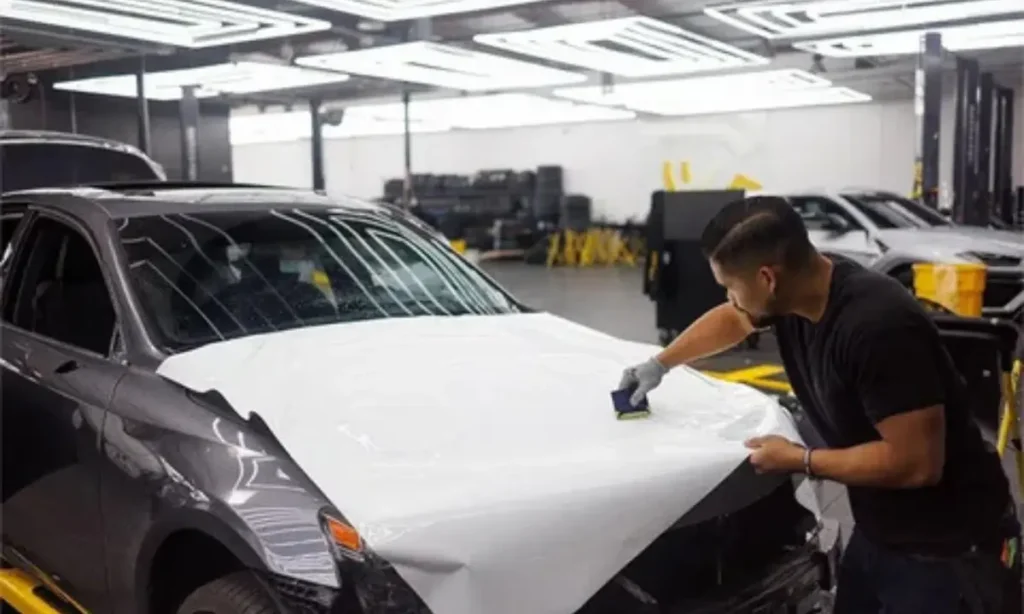
One of the best ways to maintain your car’s paint. Ahead of winter and protect from harsh weather, salt and ice is apply a coat or two of wax on it. In winter, it is best to wax before trying your hands at sub-freezing temperatures. This range will permit the wax to establish a good bond with the paintwork plus is also likely to result in easier application without streaks or smears. It’s best to put down a new layer of wax a couple of weeks before winter sets in. This in turn provides a long-lasting seal for protection against snow, ice, road salt and chemicals.
Wash and Wax Tips for the Winter Months
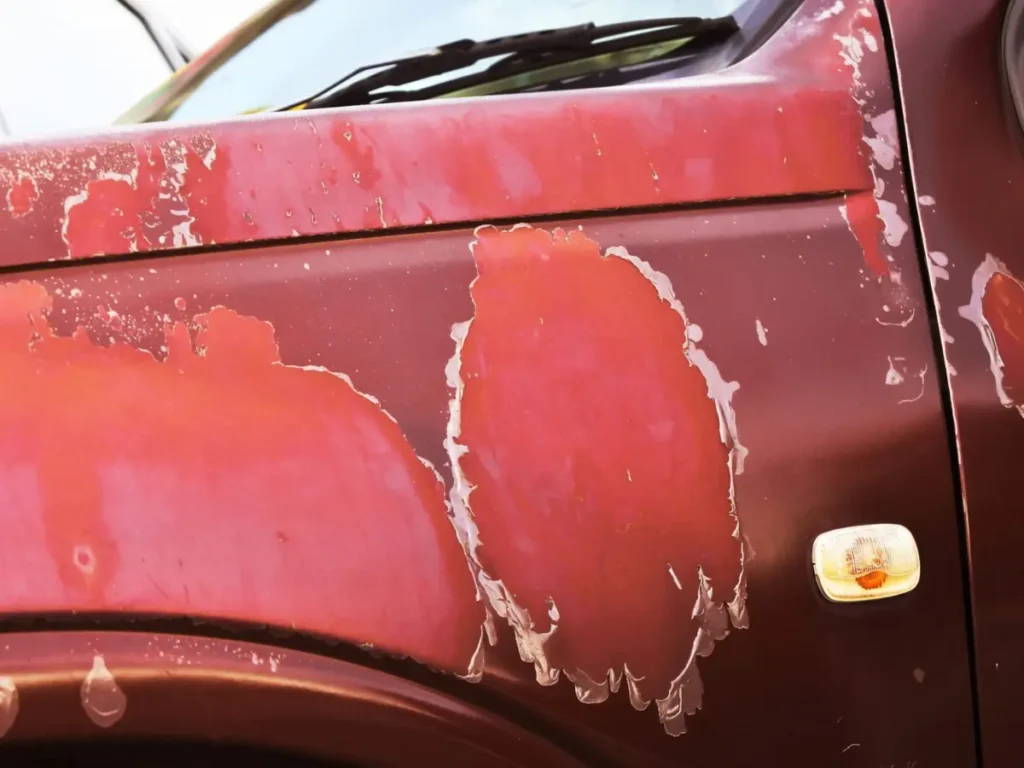
Washing and waxing your car in winter requires a bit of extra attention, to protect your ride from harsh weather. Winter ushers in cold temperatures and road salt that can harm your car’s paint and make it rust over time if not cleaned properly. Here’s what you need to do to keep your car clean and protected all winter long.
Choose the Right Day
Again, don’t choose a day that’s well below freezing, but instead one that’s ideally 35°F to 50°F.A cold or windy day can cause the water to freeze on your car as you’re washing it.
Opt for Cold Weather Car Soap and Wax
Your standard car soap can freeze or harm your paint during the winter. Opt for soaps and waxes that are made for use in low temperatures. They all provide cleanings that don’t strip away protective coatings and also help stave off salt and moisture.
Wash One Section at a Time
You’ll want to work fast, too — scrub, rinse and dry itsy bits of the chair before moving on. This way, water won’t freeze on your car while you’re washing it.
Start with the Undercarriage
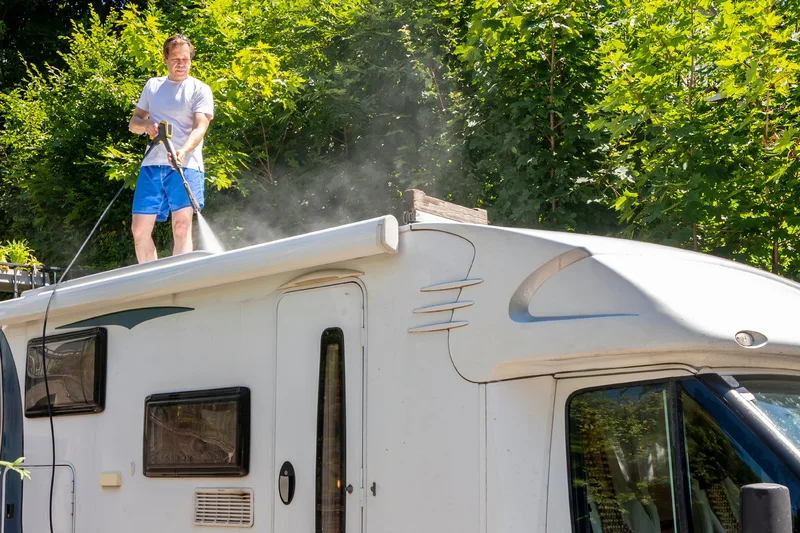
Grime and salt tend to accumulate under the car, resulting in rust. Wash or hose down suspension and chassis to remove salt.
Dry Thoroughly
Dry the car well with soft microfiber towels after you wash. Monitors should keep an eye on door jambs, mirrors, bumpers and lights to avoid ice accumulation.
Apply a Protective Wax
Apply wax to your car prior to winter and add a tough barrier. Wax protects the paint from salt, grime and moisture. You might want to try a wax for winter conditions.
Protect Door Seals and Locks
Dry them by wiping door seals and locks with a rubber protectant or lubricant. This keeps the pad from freezing to itself in cold temperatures.
Conclusion
When it comes to winterizing your car, you can’t take too many precautions to ensure that your vehicle will stay reliable, safe and efficient throughout those chilly travel months. But when made correctly, it can not only be there if a problem does occur from the cold, but also prevent one, and help keep you safe on icy roads in winter. Prepping your car for winter with this kind of regularity not only ensures that you’re safe behind the wheel, but also that rust and mechanical breakdown don’t prematurely shorten your vehicle’s life. If you don’t know where to start or want some assistance from the pros, contact Izzy’s auto detailing for winter car care.
Frequently Asked Questions (FAQs)
When is the best time of year to winterize my car?
The transition is best completed in early fall, before temperatures drop and snow hits the ground.
Is it really necessary to have winter tires if we don’t get much snow?
Winter tires aid traction and safety on frigid roads as well as wet ones in all but the mildest climates.
How often should I put air in my tires in the winter?
Check your tire pressure once a month during the winter.
What is the best windshield washer fluid for winter?
I would also use a winter-grade (non-freezing) fluid, or one that is anti-frost and salt.
Can I wax my car in winter?
Yes, however, the wax up is best made before the temperature is still positive.
How do I prevent my car doors from freezing shut?
Try. Silicone spray door seals and make certain locks are covered.
What belongs in my winter emergency car kit?
It should have an extra blanket, flashlight, ice scraper, jumper cables, water and snacks.