You want to wash your car at home but don’t want to damage your paint. An electric pressure washer for cars Longmont drivers use makes washing faster and easier. But finding the right pressure washer matters because wrong pressure damages paint. This guide covers best pressure washer for cars, what PSI and GPM mean, nozzle selection, foam cannons, and paint-safe techniques. Understanding these factors helps you choose the right equipment and use it properly.
Electric power washer for car washing is different from general-purpose pressure washers. You need appropriate pressure settings, correct nozzles, and proper technique. This guide helps you understand what makes a pressure washer for car cleaning suitable for vehicles. We cover what to look for when choosing equipment and how to use it safely.
What PSI And GPM Mean For Car Washing?
PSI stands for pounds per square inch. It measures water pressure. GPM stands for gallons per minute. It measures water volume. For car washing, PSI and GPM work together. High PSI with low GPM can damage paint. Moderate PSI with good GPM cleans effectively and safely. Understanding this balance is crucial for paint-safe pressure washing.
For cars, optimal pressure is typically one thousand to eighteen hundred PSI. This pressure range is strong enough to remove dirt but not so strong that it damages clear coat. Lower PSI like twelve hundred to fifteen hundred is gentler and safer for older cars or delicate finishes. Higher PSI like eighteen hundred to two thousand works for wheels and undercarriage but needs careful nozzle selection and distance control.
GPM matters because volume helps lift dirt without requiring extreme pressure. A pressure washer with fourteen hundred PSI and two GPM cleans better than one with eighteen hundred PSI and one point two GPM. More water volume means more cleaning power with less pressure needed. When shopping, pay attention to both PSI and GPM together.
What Are The Best Pressure Washers For Cars?
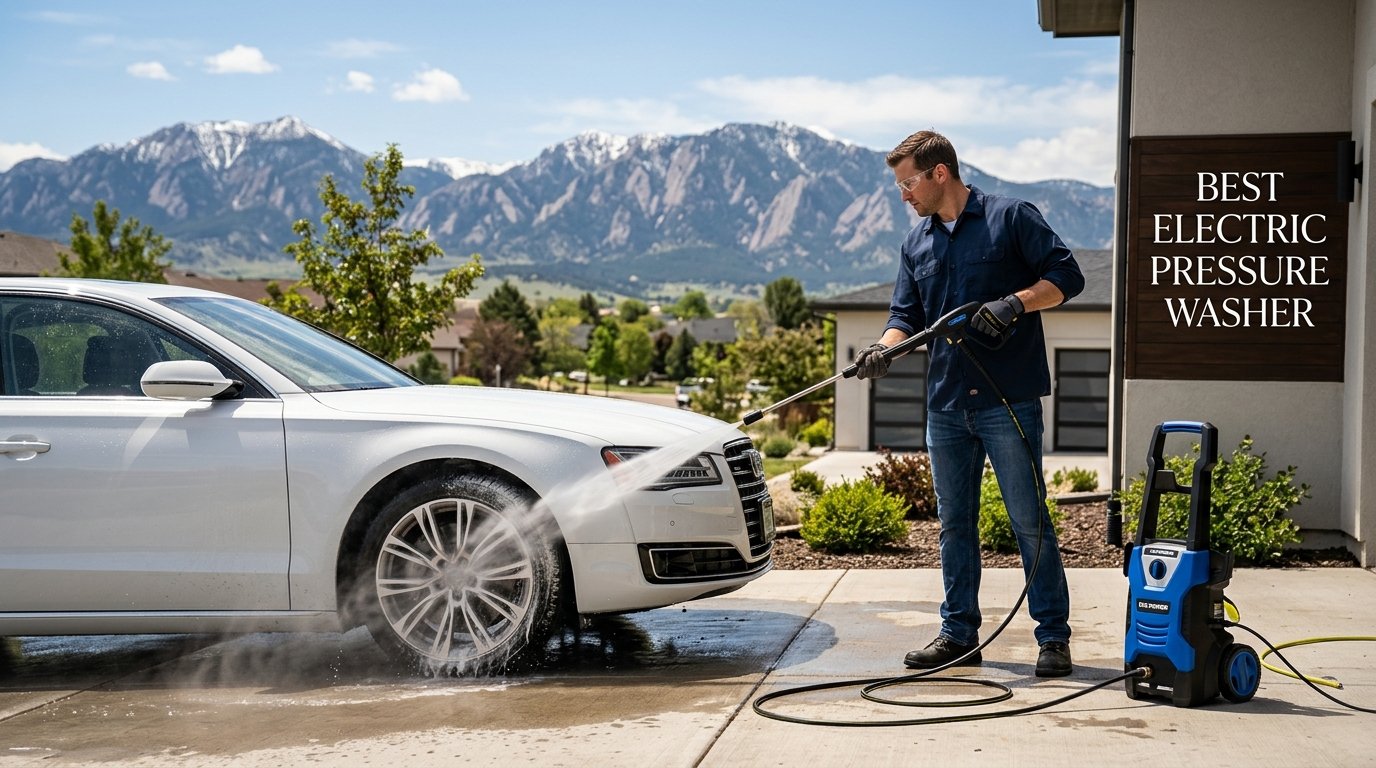
Best pressure washer for cars in the one thousand to eighteen hundred PSI range exists from multiple brands. Look for electric models specifically rated for car washing. Avoid industrial pressure washers which exceed safe PSI for vehicles. Electric models are more convenient for home use than gas models. They’re quieter, require less maintenance, and are easier to store.
Features matter beyond PSI and GPM. An electric pressure-washer motor should be durable. Look for models with at least three-year warranty. Hose length matters for convenience. Longer hoses mean less moving equipment around. Power cord length matters for reach without extension cords. A detergent tank allows using soap for better cleaning without pre-mixing in a bucket.
Adjustable nozzles are essential. Different nozzles provide different pressure and spray patterns. The ability to adjust pressure or change nozzles gives flexibility for different cleaning tasks. Some models come with multiple nozzles. Others require separate purchase. Quality matters. Cheap pressure washers fail quickly or perform poorly.
What About Foam Cannon Attachments?
A foam cannon attachment transforms your pressure washer. It mixes detergent with water to create snow foam that coats your car. This foam lubricates the surface and lifts dirt before you scrub or spray. Using foam cannon reduces scratching risk compared to scrubbing with a dry car. It makes washing faster and easier. Many Longmont car enthusiasts use foam cannons.
Snow foam application takes seconds but provides significant benefits. Spray foam all over the car. Let it sit for five to ten minutes. Then rinse. The foam breaks down dirt so regular rinsing does most of the work. Follow with bucket washing for any remaining dirt. This combination minimizes scratch risk while cleaning effectively.
Not all pressure washers have foam cannon attachments. Some require purchase separately. Foam cannons typically cost thirty to fifty dollars. They attach to pressure washer wand. Most work with most electric pressure washers. Check compatibility before purchasing. A foam cannon is a worthwhile investment if you detail your car regularly.
What Nozzles Should You Use?
Pressure washer nozzles control spray pattern and pressure concentration. A 25-degree nozzle concentrates pressure more than a 40-degree. Different nozzles suit different tasks. For car washing, you need gentle nozzles that don’t concentrate pressure too much. A 40-degree nozzle is generally safest for car bodies. It spreads pressure over wider area reducing damage risk.
A 25-degree nozzle works for wheels and undercarriage where damage risk is lower. The concentrated spray cleans brake dust and road grime effectively. Never use zero-degree or 15-degree nozzles on car bodies. These are too concentrated and will damage paint. Pressure-washer nozzle angle selection is crucial for paint safety.
Safe spraying distance also matters. Maintain at least twelve inches from the surface when using 40-degree nozzle. Keep further distance with smaller angle nozzles. The farther you are, the safer your paint. Practice with pressure washer before washing your actual car to understand how it behaves at different distances and angles.
How Do You Use Pressure Washer Safely?
Paint-safe pressure washing means understanding your equipment and using proper technique. Start with pre-rinse. Use lower pressure to rinse loose dirt before using soap and stronger pressure. This initial rinse removes most loose debris so you don’t need harsh pressure later. Pre-rinse is crucial first step in safe washing.
Apply foam or detergent and let sit. Then use moderate pressure to rinse. Avoid spraying directly at the same spot for extended time. Keep the nozzle moving. This prevents pressure concentrating in one area which can damage paint. Avoid spraying at trim, seals, and sensitive areas. These areas need gentler treatment.
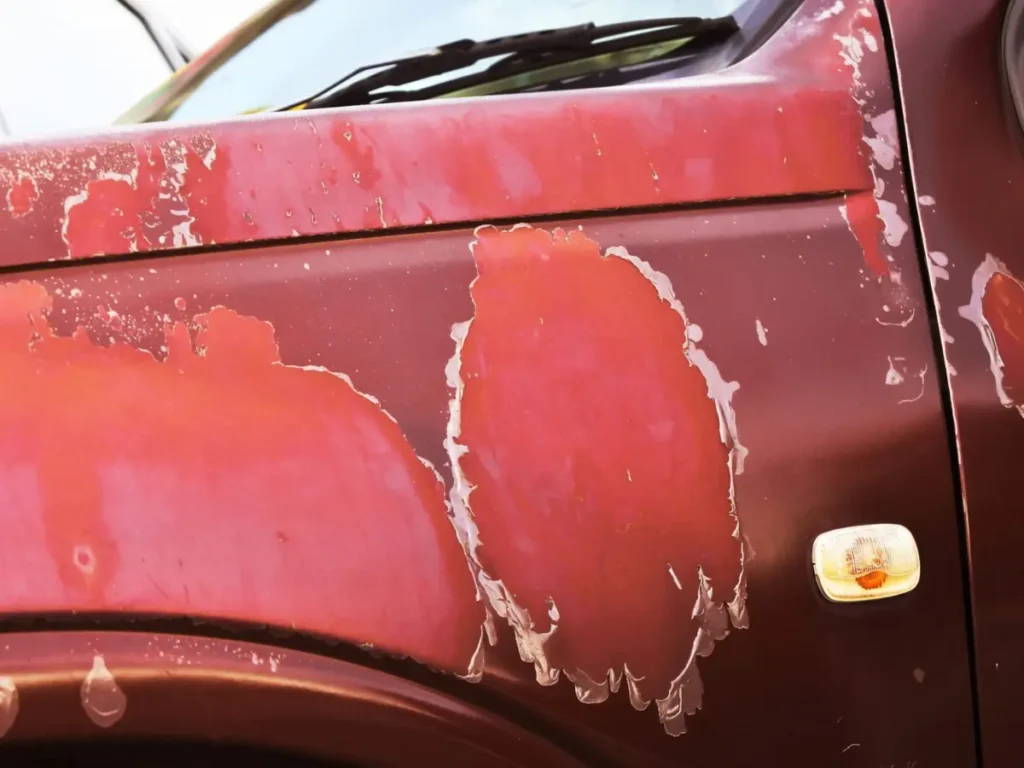
Avoiding paint damage requires deliberate technique. Never use maximum pressure settings on car bodies. Always test settings on inconspicuous area first. Keep distance consistent. Move methodically around the car. Don’t rush. Slower technique with lower pressure is safer than fast technique with high pressure.
What About Wheel And Undercarriage Cleaning?
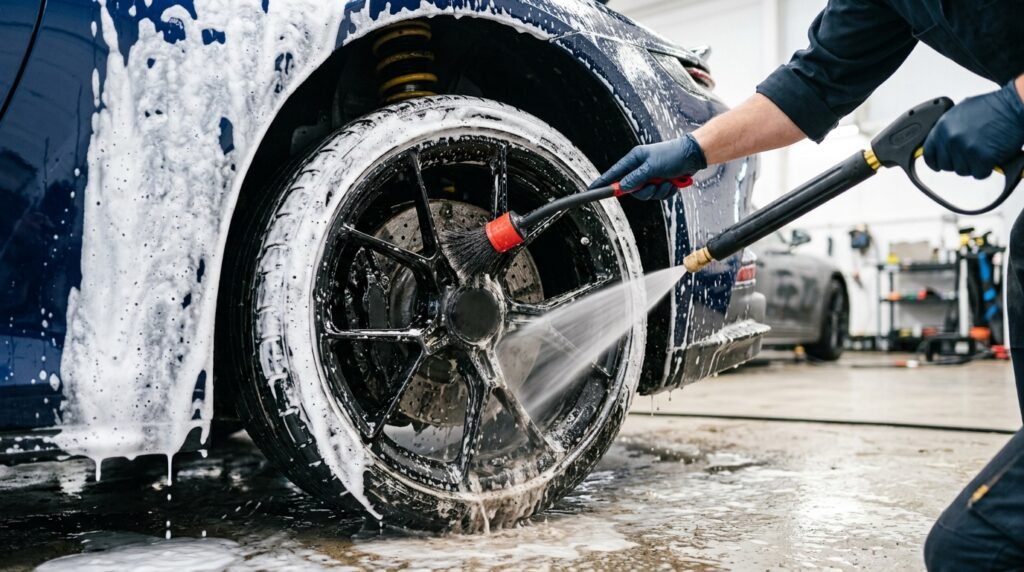
Wheel cleaning benefits from higher pressure because wheel damage risk is lower. Use 25-degree nozzle and higher PSI on wheels. The concentrated spray removes brake dust and road grime effectively. Wheels can handle more aggressive washing than painted surfaces. Tires especially benefit from higher pressure cleaning.
Undercarriage cleaning removes winter road salt and road grime. Higher pressure is appropriate here. Spray water forcefully to dislodge accumulated dirt. This cleaning prevents rust and corrosion. In Longmont where winter brings road salt, undercarriage cleaning is important maintenance. Do it safely away from nearby plants since clear-coat protection is less of a concern than preventing rust.
Be careful around rubber seals and exposed components. Sensitive areas like door seals and trim still need gentle treatment. Target high-pressure spray on metal components that can handle it. Avoid blasting electrical connectors or other sensitive areas.
What Maintenance Do Pressure Washers Require?
Pressure-washer maintenance keeps your equipment working well. After each use, run fresh water through the system to flush out detergent residue. Check hoses for damage. Drain the system if storing for extended time. Don’t leave detergent sitting in tanks. Store in a dry place to prevent rust and deterioration.
Replace water seals and check hose connections regularly. These components wear out. Regular checks prevent leaks that reduce effectiveness. Clean or replace inlet filters. Debris clogs filters reducing water flow. Proper maintenance extends equipment life significantly. Most problems result from neglect.
Winterize your pressure washer before storing over winter if you live in a cold climate. Run antifreeze through the system to prevent freeze damage. Drain all water. Store in climate-controlled location if possible. Proper storage prevents freeze damage and rust.
Frequently Asked Questions About Pressure Washers For Cars
What PSI is safe for car paint?
Safe pressure washer PSI for cars typically ranges from one thousand to eighteen hundred PSI. Twelve hundred to fifteen hundred PSI is safest for delicate finishes. Eighteen hundred to two thousand PSI works for wheels and undercarriage but requires careful nozzle selection and distance control. Always use appropriate nozzle angles with higher pressure. Test on inconspicuous area first.
Can I use my general-purpose pressure washer to wash my car?
It depends on PSI and controllability. General-purpose pressure washers often exceed two thousand PSI which is too high for cars. You need equipment rated for car washing or adjustable pressure. Industrial pressure washers definitely damage car paint. Invest in appropriate electric car-wash pressure washer rather than risk damage with wrong equipment.
Do I need a foam cannon for car washing?
No, but it helps. Foam cannons make washing easier and reduce scratch risk. Without one, you can wash using bucket method and gentle pressure rinsing. Foam cannon saves time and effort though. If you detail regularly, the investment is worthwhile. If you wash occasionally, bucket method works fine.
How far should I keep the pressure washer nozzle from my car?
Maintain at least twelve inches from painted surfaces with 40-degree nozzle. Keep farther away with smaller angle nozzles. Test distance on inconspicuous area first to understand pressure behavior. Different pressure washers behave slightly differently. Consistent distance prevents concentrated pressure on one spot which damages paint.
What’s better for cars: electric or gas pressure washers?
Electric pressure washers are better for cars. They provide safe PSI ranges, are quieter, require less maintenance, and store easily. Gas pressure washers often exceed safe PSI for vehicles. Electric is the right choice for home car washing in most situations.
How often should I clean my pressure washer after using it?
After every use, flush the system with fresh water to remove detergent and debris. Weekly checks of hoses and connections help catch problems early. Monthly deep cleaning including filter inspection keeps equipment performing well. Proper maintenance prevents most problems and extends equipment life.