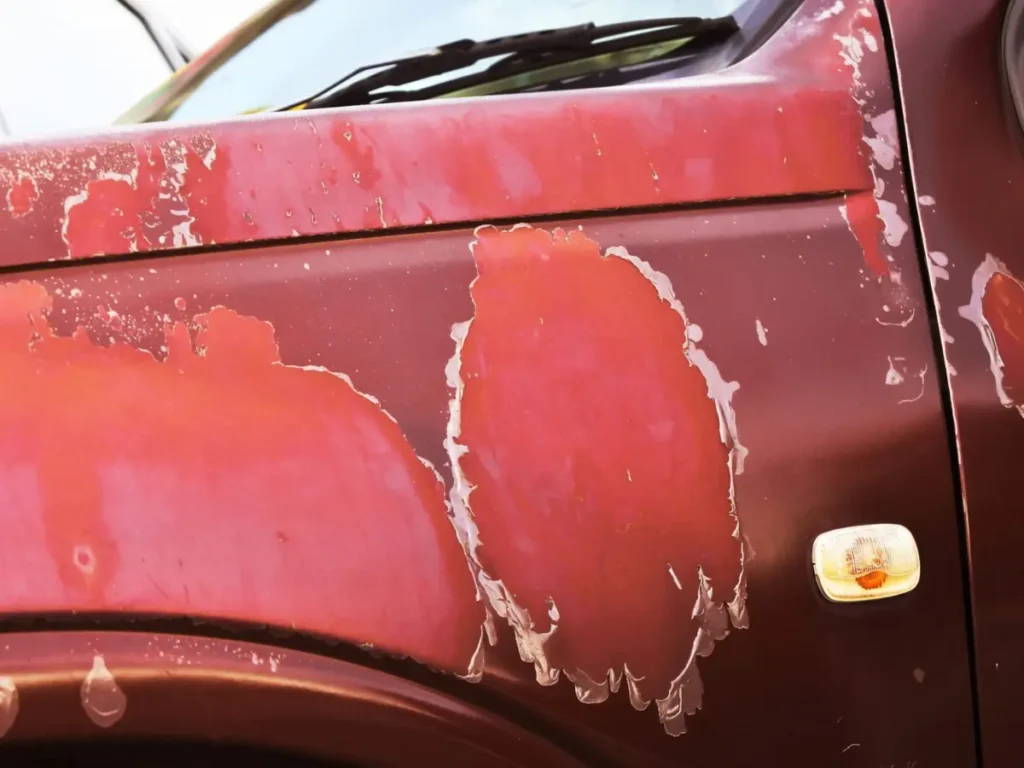
Winter months present certain challenges when it comes to taking care of your car, but maintaining cleanliness in the cold season is crucial. Remaining dirt and grime on your car after driving around in the cold, snow and salt (the enemy of your paint job) can cause serious harm to your auto paint and undercarriage. Luckily, there are car washes that continue to operate in winter and integrate special capabilities designed for freezing temperatures and ice. Keeping your investment protected. Scrubbing regularly during the winter months will protect your car investment, help keep it operating safely by maintaining the best possible appearance. This blog will discuss how and why car washes can stay open in winter and give advice on how to get the best winter car wash.
Do Car Washes Stay Open During Winter Months?
Yes, there are many car washes open in winter months, especially in places that get snow and use road salt. And while the winter elements offer challenges such as freezing temps and ice buildup, car washes routinely prepare for it with options such as heated bays, warming systems and equipment created to ensure that water and surfaces don’t freeze. These winterized spaces help to keep cars clean and protected from corrosive road salt and grime that can build up during the snowy months.
The majority of today’s automatic car washes provide touchless or soft-touch rinses all year round, so washing your car in the winter months is both safe and hassle-free. However, small or self-serve car wash centers may temporarily close during severe weather for safety reasons or because their facilities are not equipped to handle the demand of these conditions.
How to Wash Your Car in the Winter Safely: Step-by-Step Guide
There’s more to winter car washing than keeping it looking nice; doing so can be crucial for preventing serious corrosion and damage due to road salt, grime and moisture.
Choose Your Day and Location
Choose a day that’s above freezing, if possible, in the warmest part of the day. If you can, wash your car in a heated garage or a professional car wash with heated bays so the water doesn’t freeze.
Gather Your Supplies
As far as washing, warm water, pH-neutral car wash soap, two buckets, one for soapy water and one for rinsing, a set of microfiber wash mitts and some soft drying towels or a silicone water blade to squeegee the moisture off in no time.
Pre-Rinse the Car
Begin by rinsing away loose dirt and road salt, paying particular attention to the undercarriage, wheel wells and wheels’ backsides, which salt loves to call home. If possible, use warm water, since it dissolves salt more efficiently.
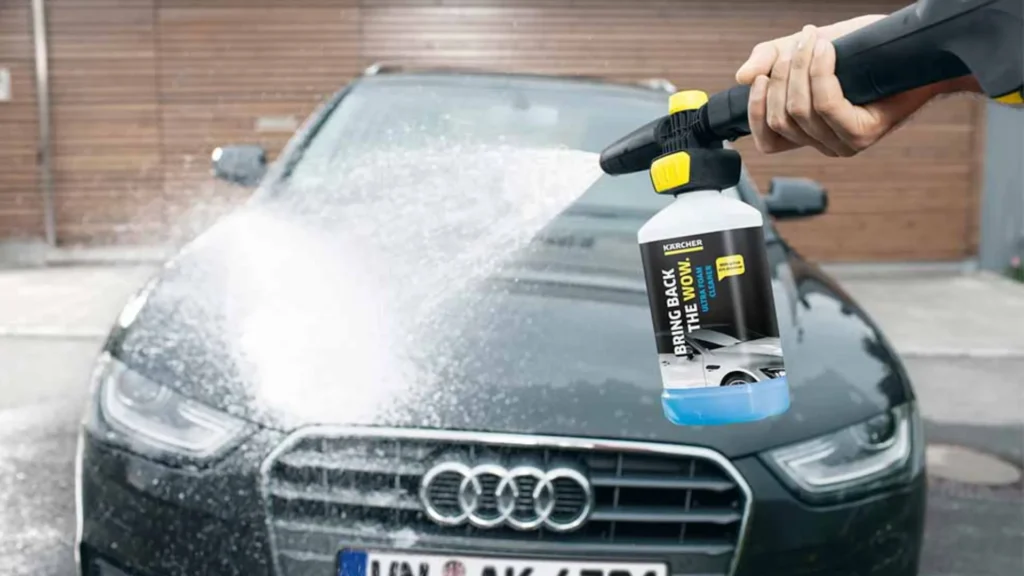
Wash with Soap
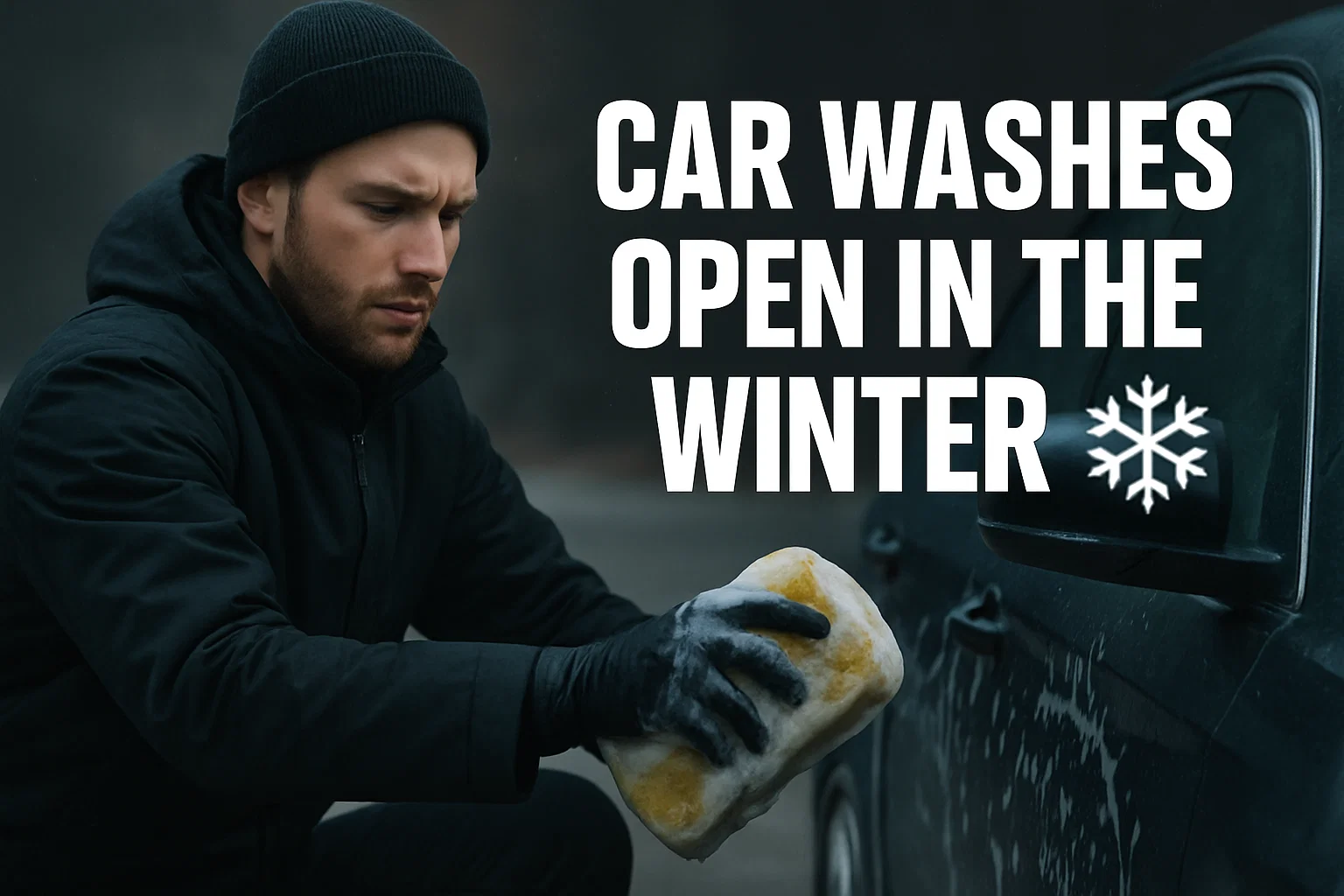
Wash one section at a time from top to bottom using the bucket method. Dip your mitt in the soapy water again and wash off a panel, rinsing the mitt out in the clean water bucket to prevent rubbing dirt right back into your car.
Rinse Thoroughly
When you are done rinsing each area, run water over all of the soap film promptly to stop it from freezing. Cleans from top to bottom and leaves no residue behind.
Dry Immediately
Dry your car completely with a nice soft microfibre towel or a silicone water blade. Be sure to pay extra attention to tight areas like door seals, mirrors and trunk edges as these can freeze, potentially causing damage and wear over time.
Open Doors for Jambs
Clean the door jambs, trunk and hood so they don’t freeze up in the morning.
When Is the Best Time to Get a Winter Car Wash?
Pick the Warmest Time of Day
When is the best time to wash your car in the winter? The warmest part of a winter day, between 10 am and 2 pm. The temperature is usually above most freezing points during these hours-and your car’s surface, the door seals or locks are less likely to freeze water that comes into contact with them.
Avoid Freezing Temperatures
When the temperature drops below 32°F or 0°, don’t wash your car outdoors. (If it’s below 20°F, washing isn’t even a good idea unless you can kick some hot air into the machine before driving away: The water will freeze on contact and crack an ice coverage that becomes inevitable if the weather is colder than -6°C.)
Choose Indoor or Heated Facilities
You should always try to use indoor or heated car wash structures if you can. These shielded surroundings help keep your car away from freezing water and ensure there’s a safe, effective way to get your initial wash.
Monitor Weather Conditions
(Also, pick the days where it is forecasted to be stable above freezing and not precipitating.) This is so your car dries the correct way and doesn’t freeze again once you’ve washed it.
Use Lukewarm Water
In cold weather, when you wash your own car, use lukewarm water (60-80°F / 15–27 °C) instead. It assists in the removal of dirt and road salt by raising two-wheeled vehicles and spraying Water from below.
| Best Time for Winter Car Wash | Guideline |
| Time of Day | Between 10 AM and 2 PM |
| Temperature | Above freezing (32°F / 0°C) |
| Weather | Clear, no snow or rain |
| Facility | Indoor or heated preferred |
| Water Temperature | Lukewarm (60-80°F / 15-27°C) |
Conclusion
Cleaning your car during these colder months is essential to guarding against salt, grime and the corrosion created by cold weather. Picking the right time, when temperatures are above freezing and on the warmest part of a day, can help avoid that kind of damage, such as ice accumulating in or on doors and locks. This is part of the value in washing your car indoors or at a heated car wash. Frequent winter washes make your car look better, improve safety on the road and extend your vehicle’s longevity.
If you need a professional, dependable winter car wash, give us a call at Izzy’s Auto Detailing. We provide professional care with winter safe products to ensure a clean and protected vehicle for the whole season.
FAQs
Washing in freezing temperatures is not recommended as it could lead to ice damage.
Once every two weeks to keep the salt and dirt that accumulate on the car at bay.
They are safe if the car wash facility is equipped with heated bays and uses winter-compatible soaps.
Definitely, you should use microfiber towels to complete the drying process and avoid ice formation on door seals.
Definitely, normal washing acts as a remover of the corrosive road salt that causes rust and damage to the car.
Normally, professional car washes can provide a safer and more thorough cleaning during the winter.