You wash the car, dry it, and step back. Then the sun hits the hood, and every swirl mark shows up. That gap between “clean” and “ready” is why ceramic coating preparation matters so much. A coating sits on top of whatever surface you give it. A regular wash won’t pull out bonded grit or fix scratches already in the clear coat. Below, the guide explains why prep matters, the core steps from washing to final inspection, and how to tell when the paint is truly ready.
Why Is Ceramic Coating Preparation Important?
A ceramic coating locks in the condition of the paint underneath it. Whatever sits on that surface the day you apply it is what you’ll be looking at for a long time.
How Preparation Helps the Coating Bond to the Paint
Coatings are made to bond with a clean, bare clear coat. Anything sitting between the product and the paint gets in the way. The first problem is contamination, like road film, tar, sap, and iron particles from brake dust. The second is leftover residue, such as polishing oils or old wax. Both can interfere with coating adhesion. Removing them won’t guarantee a perfect bond, but it gives the coating a fair chance.
How Paint Condition Affects the Final Appearance
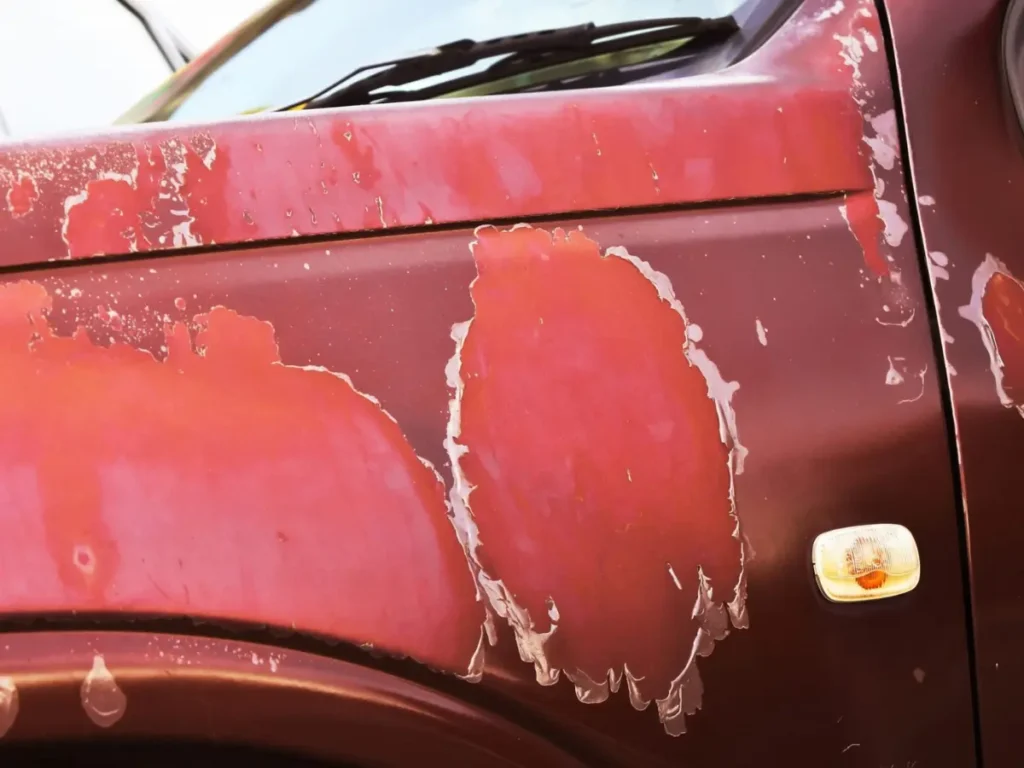
A coating is not a repair product. It won’t erase swirl marks or bring faded paint back to life. The added gloss can actually make existing defects easier to spot. Scratches, etched water spots, and oxidation stay right where they are underneath. If the paint looks hazy before coating, expect a shinier version of that same haze after.
What Can Happen When Preparation Is Incomplete?
Skipped prep doesn’t always mean the coating fails. More often, the results just disappoint. Contaminants left behind can get sealed in and leave rough spots you can feel. Leftover polishing residue may cause patches where the coating doesn’t behave like the rest of the panel.
What Are the Essential Ceramic Coating Preparation Steps?
Most prep jobs follow the same path. You clean the car and decontaminate the paint. Then you assess it, correct what needs correcting, and finish with a residue-free surface. The exact ceramic coating prep process depends on the paint’s condition and the coating manufacturer’s instructions.
Wash the Vehicle Thoroughly
Start with a proper wash. This step removes loose dirt and road grime so it doesn’t get dragged across the paint later. Use a gentle car shampoo and a clean wash mitt. The two-bucket method keeps grit out of the mitt. Rinse well, then dry the car with clean microfiber towels or a blower before moving on.
Chemically Decontaminate the Paint
Washing gets the surface dirt. It doesn’t get everything stuck to the paint. Tiny iron particles from brake dust can embed in the clear coat and hang on through a normal wash. An iron remover reacts with these particles and helps loosen them for rinsing. No single product clears every type of contamination, so match the product to what’s actually on the car.
Use Detailing Clay When Necessary
Feel the clean paint through a thin plastic sandwich bag. If it still feels gritty after washing and chemical treatment, bonded contaminants remain. Detailing clay glides over a lubricated surface and lifts those particles out. Not every car needs it, and clay demands a gentle hand. Used carelessly, it can leave fine marring that then has to be polished out before coating.
Inspect the Paint and Correct Defects When Needed
Now look closely. Under strong light, study each panel from a few angles for swirl marks, light scratches, oxidation, and dull areas. Some cars need a light polish to sharpen gloss. Others need multi-step correction with a dual-action polisher and a polishing compound. The right call depends on the paint and the finish you want. Scratches that go through the clear coat can’t simply be polished away.
Remove Polishing Oils and Residue
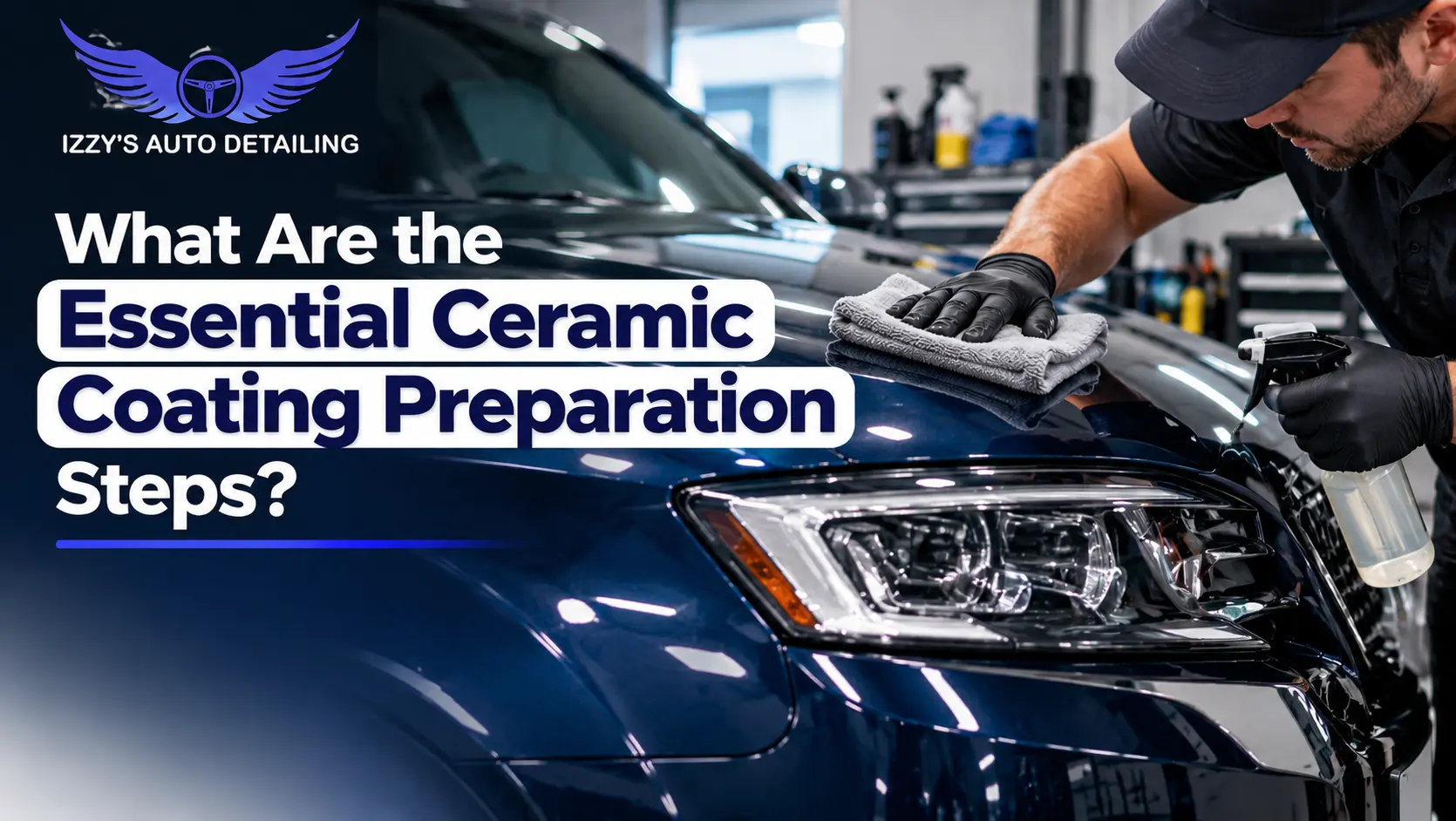
Many polishes leave behind a thin, oily film. That film can hide fine defects and block the coating from bonding properly. A panel prep solution, often called a panel wipe, strips that residue away. Apply it with one clean microfiber towel and follow with a second dry towel.
| Check before you wipe.Use the prep product your coating manufacturer recommends. Not every product suits every paint or coating. |
Complete the Final Surface Inspection
Go over the car one last time before anything else touches it. Use strong lighting. Check each panel for streaks, smudges, and leftover panel wipes. Look in tight spots too, like around badges and door handles. If you touch the paint, wear a clean nitrile glove so you don’t add skin oils. Fix any problem spot now, because it’s much harder once the coating goes on.
How Should You Prepare the Work Area Before Applying Ceramic Coating?
Freshly prepped paint can get dirty again fast. You don’t need a professional studio, but you do need some control over your surroundings.
Keep the Work Area Clean
Dust and pollen settle on a fresh surface faster than you’d think. A swept garage beats a windy driveway. Wash your towels and applicators before you start. One dirty microfiber can undo a lot of careful prep in a single wipe.
Check Temperature and Humidity Requirements
Weather changes how a coating behaves. Temperature and humidity can affect how quickly the product starts to set, which detailers call flashing. Every product is different. Follow the manufacturer’s stated temperature and humidity ranges, and keep the panels out of direct sun while you work.
Gather the Necessary Tools and Supplies
Most jobs call for plenty of clean microfiber towels plus the right wash and decontamination products. You’ll also want strong lighting for inspection and a panel prep product if your coating calls for one.
How Can You Tell When the Paint Is Ready for Ceramic Coating?
Finishing every step doesn’t automatically mean the paint is ready. Use these checks as a final sign-off before the coating comes out.
Check for Remaining Contamination or Residue
Ready paint looks and feels uniform from panel to panel. You shouldn’t find gritty patches or cloudy streaks anywhere. A panel that looks different from its neighbors means something got missed.
Confirm the Finish Meets Your Expectations
Readiness is also about whether you like what you see. If light swirls still bother you, do more correction now. Waiting until after coating makes that harder. Plenty of owners accept minor flaws on a daily driver, though. Could you live with this exact finish for the life of the coating?
Follow the Coating Manufacturer’s Final Preparation Instructions
The coating’s instructions get the final say. Some products specify a particular final wipe-down product or method. Others set a time window between surface prep and application, since a prepped panel can collect dust or film if it sits. If your routine conflicts with them, follow the manufacturer.
Should You Prepare Your Car for Ceramic Coating Yourself or Hire a Professional?
This choice depends on your paint’s condition and your experience. Your tools and the finish you want matter too.
When DIY Preparation May Be Suitable
A careful owner can handle much of the early work. Washing, chemical decontamination, and claying are manageable with decent products and patience. Paint correction is a different story. Machine polishing takes practice, and an aggressive approach can thin or burn through the clear coat. If you’ve never used a polisher, leave correction to someone experienced.
When Professional Preparation May Be Appropriate
Bring in a pro when the paint needs an expert eye. Heavy swirls, deeper scratches, oxidation, or stubborn contamination are good reasons. A professional can judge how much correction the paint can safely handle.
Frequently Asked Questions
These quick answers cover a few prep questions the sections above don’t fully settle.
Do You Need to Polish a Car Before Applying Ceramic Coating?
Not always. Cleaning, decontamination, and residue removal are part of nearly every prep job. Polishing falls under paint correction, which is optional for many cars. Whether you need it depends on the paint’s condition and the finish you want.
Can You Apply Ceramic Coating Without Decontaminating the Paint?
You can, but it’s risky. Bonded contaminants left behind may get trapped under the coating and interfere with how it bonds. The right level of decontamination depends on the car’s condition and the coating instructions.
How Long Does Ceramic Coating Preparation Take?
It varies a lot. Vehicle size, paint condition, contamination, and the amount of correction all play a part. A clean, newer car may need relatively little time. An in-person inspection gives you the most realistic estimate.
Final Thoughts
Ceramic coating preparation goes well beyond a good wash. How much work your car needs depends on the paint’s condition and your coating manufacturer’s instructions. Clean thoroughly and remove the contamination that’s actually there. Assess the paint honestly and correct only what makes sense. Then clear away residue and confirm the surface is ready before any coating goes on.
Izzy’s Auto Detailing LLC is a local detailing business based at 5 Newby Place in Longmont, Colorado. If you’re planning a ceramic coating and aren’t sure what your paint needs first, the team can take a look and talk through your options. Call 720-266-1760 to ask questions about your vehicle.