You want your car to look great but professional detailing costs money. DIY car detailing Longmont CO is totally doable if you know what you’re doing. You don’t need expensive equipment or professional training. You need the right techniques, proper products, and patience. This guide covers the complete at-home car detailing process from exterior washing to interior cleaning to paint protection.
Longmont’s environment creates specific detailing challenges. Colorado dust gets everywhere. Winter brings road grime and salt residue. Hard water from tap water leaves hard-water deposits on your paint. Understanding local conditions helps you detail effectively. This guide teaches the complete process so you can maintain your car between professional detailings or do it all yourself. Sometimes professional help makes sense. This guide explains when.
Why Should You Detail Your Car At Home?
DIY car detailing saves money compared to professional services. Professional detailing costs one hundred fifty to three hundred dollars typically. Doing it yourself costs a fraction of that in supplies. Over several years, the savings add up significantly. You control the products used and the process followed. You can detail on your schedule without waiting for appointments.
There’s satisfaction in making your car look pristine yourself. You learn what works and what doesn’t. You understand your car’s condition better. You catch problems early. Regular detailing at home keeps your car looking good between professional visits if you choose to use them occasionally. DIY car detailing is practical for Longmont residents who want to maintain their vehicles without ongoing professional expense.
Home detailing works well for regular maintenance. For cars that are severely neglected or need specialized treatment like paint correction, professional detailing might be necessary. This guide covers what you can accomplish at home and when professional help makes sense.
What’s The Best Way To Wash Your Exterior?
How to detail your car at home starts with proper washing. The two-bucket car-wash method is essential. Fill one bucket with pH-neutral car shampoo and water. Fill another with clean rinse water. This method prevents dirt from accumulating in your wash bucket, which would scratch your paint when you use the same dirty water repeatedly.
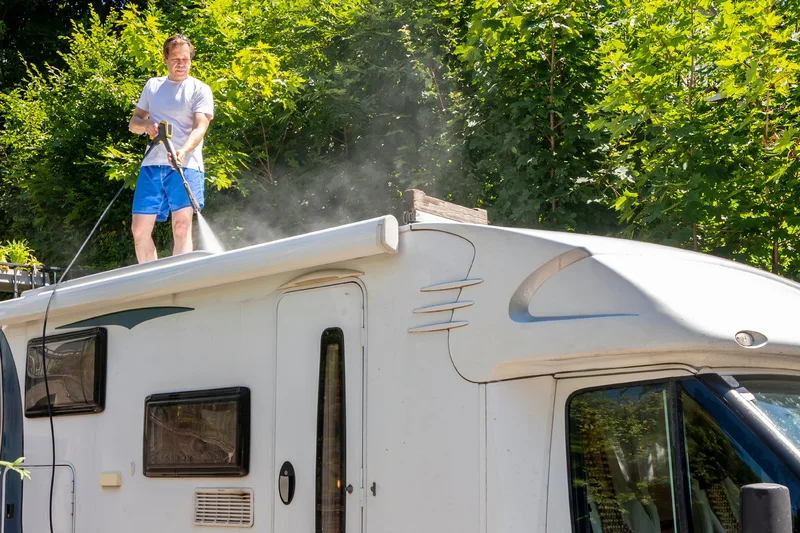
Pre-rinse your car first with water to remove loose dirt and debris. Use a pressure washer carefully to avoid damaging paint or trim. Keep the nozzle moving and don’t concentrate water on one spot too long. A foam cannon makes the washing process easier and faster. It coats your car with foam that helps lift dirt safely.
Use a microfiber wash mitt for washing. Microfiber is gentler on paint than sponges. Dip the mitt in soapy water, wash a section, rinse the mitt in the rinse bucket, then dip in soapy water again. This prevents dragging dirty water across your paint. Rinse each section as you wash. Thorough rinsing prevents soap residue left on your paint. Take your time washing. Rushing causes scratches.
How Do You Clean Wheels And Tires Properly?
Wheel and tire cleaning requires specific attention because brake dust is abrasive. Use a separate bucket and sponge for wheels to avoid mixing wheel grime with body wash water. Apply wheel cleaner to dissolve brake dust. Use a wheel brush to scrub tires and wheel faces. Rinse thoroughly because wheel cleaner is strong and needs complete removal.
Tires benefit from dedicated attention. Tire dressing makes tires look dark and shiny. Apply tire dressing after tires are clean and dry. You can use a brush or applicator pad for even application. Wheel rims look great clean and shiny. Some people use polish or sealant on wheels just like paint. This prevents corrosion and makes wheels easier to clean next time.
Don’t neglect tire sidewalls and wheel backs. Dirt accumulates everywhere. Clean thoroughly. This attention to detail makes the difference between a mediocre detail and a great one. Wheels and tires are the first thing people notice on a car. Keep them looking good.
What’s The Right Drying Process?
After washing, thorough drying is crucial. Paint-safe drying prevents water spots and hard-water deposits on your paint. A microfiber drying towel is essential. These towels absorb water quickly without scratching paint. Use a large drying towel for the body and smaller towels for details. Don’t rub vigorously. Gently dry each section.
Air drying seems convenient but leaves water spots, especially in Longmont where tap water contains minerals that leave hard-water deposits. Microfiber drying prevents this problem. Take time drying. Getting water out of crevices and trim takes patience. Water hiding in door jambs or under trim drips and leaves spots after you’re done. Check everywhere.
Some people use chamois or specialized drying solutions that help water sheet off. These methods work but microfiber towels are more practical for most people. Use multiple towels if needed. Wet towels can’t absorb more water efficiently. Switch to dry towels partway through.
How Do You Clean The Interior Properly?
DIY interior car detailing starts with interior vacuuming. Remove seats if possible to access under them. Vacuum all surfaces: floors, seats, under floor mats, and crevices. Get into tight spots between seats and under center console. Use upholstery attachments for furniture-like surfaces. Thorough vacuuming removes dirt that collects over time. Colorado dust accumulates fast in vehicles.
Dashboard cleaning comes next. Dust accumulates on the dashboard and instrument cluster. Use a soft cloth and appropriate cleaner. Don’t use harsh chemicals that damage plastic or leave residue. Some dashboards are delicate. Test cleaner on inconspicuous area first. Wipe carefully to avoid getting liquid on electrical components or in vents.
Upholstery cleaning and carpet shampooing restore interior freshness. For cloth upholstery, use upholstery cleaner appropriate for fabric. Spray on, let sit briefly, then vacuum or wipe. For leather seats, use leather-specific cleaner and conditioner. Carpets benefit from foam cleaner or shampoo applied, allowed to sit, then vacuumed. Interior cleanliness makes a huge difference in how your car feels.
What About Paint Decontamination?
Clay-bar decontamination removes contaminants from paint that washing doesn’t eliminate. Brake dust, industrial fallout, and other particles embed in the clear coat. Clay bar lifts these contaminants safely. Use a lubricant spray while using clay bar to prevent scratching. Work the clay bar gently over paint. You’ll feel the clay grab contaminants as you work.
Clay bar detailing takes time but makes a dramatic difference. Your paint will feel smoother after clay bar treatment. This smoother surface helps sealants and waxes bond better. Clay bar is relatively inexpensive and lasts through multiple applications. It’s a worthwhile step in how to professionally detail your own car.
After clay bar, rinse thoroughly and dry completely before proceeding to wax or sealant application. Any residue or water interferes with protection product bonding. This step is optional for basic maintenance but worthwhile every couple of years.
How Do You Remove Water Spots And Hard-Water Deposits?
Water-spot removal requires specific products and technique. Longmont’s tap water leaves mineral deposits visible on paint. These deposits are difficult to remove with regular washing. Water-spot removal products dissolve these deposits chemically. Spray product on affected areas, let sit briefly, then wipe with microfiber cloth. Some water spots require multiple treatments.
Prevention is easier than removal. Drying thoroughly with microfiber towels prevents water spots from forming. Using filtered water or deionized water for final rinses prevents mineral deposits. These prevention methods save frustration later. If you already have water spots, removal products work well but take more time than prevention.
Some severe water-spot situations require professional help. If deposits are etched into clear coat, professional polishing might be necessary. For regular maintenance, proper drying and spot removal products handle the problem.
What Protections Should You Apply To Paint?
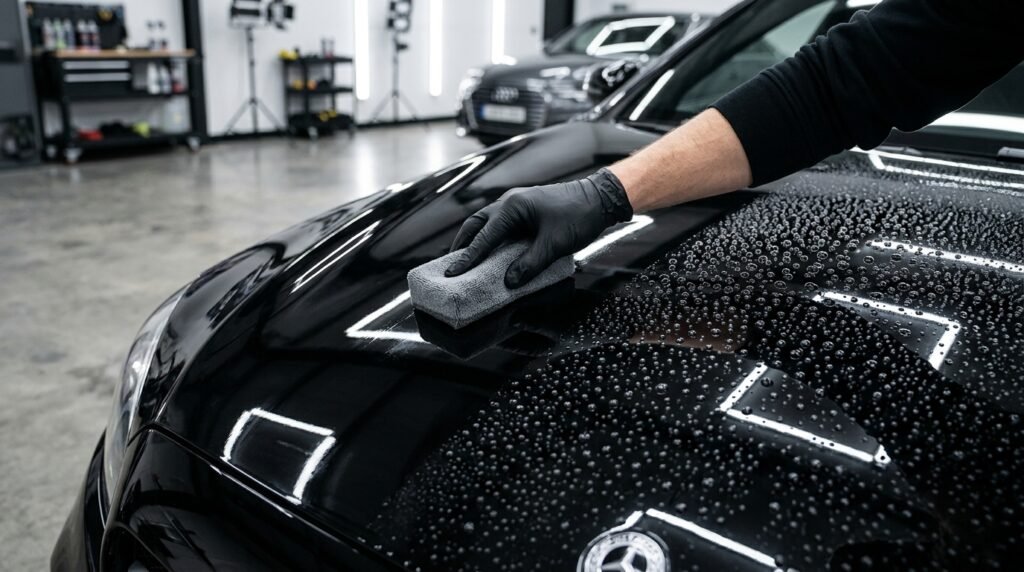
Car waxing protects paint and makes it shine. Traditional wax requires application and buffing but provides excellent protection. Wax lasts about three months typically before needing reapplication. Apply in thin, even coats. Buff with clean microfiber towels. The effort involved makes waxing a commitment but the results are worth it.
Paint sealant provides longer-lasting protection than wax, typically six to twelve months. Sealants are easier to apply than wax but cost more. They provide durable protection and shine. Choose either wax or sealant based on time commitment and budget. Some people use both: sealant for base protection and wax on top for additional shine.
Application technique matters. Apply products in thin, even coats. Work in sections. Use appropriate applicators for the product. Don’t apply in direct sunlight if possible because products dry too quickly and become difficult to buff. Read product instructions for specific application guidance.
What Tools And Products Do You Actually Need?
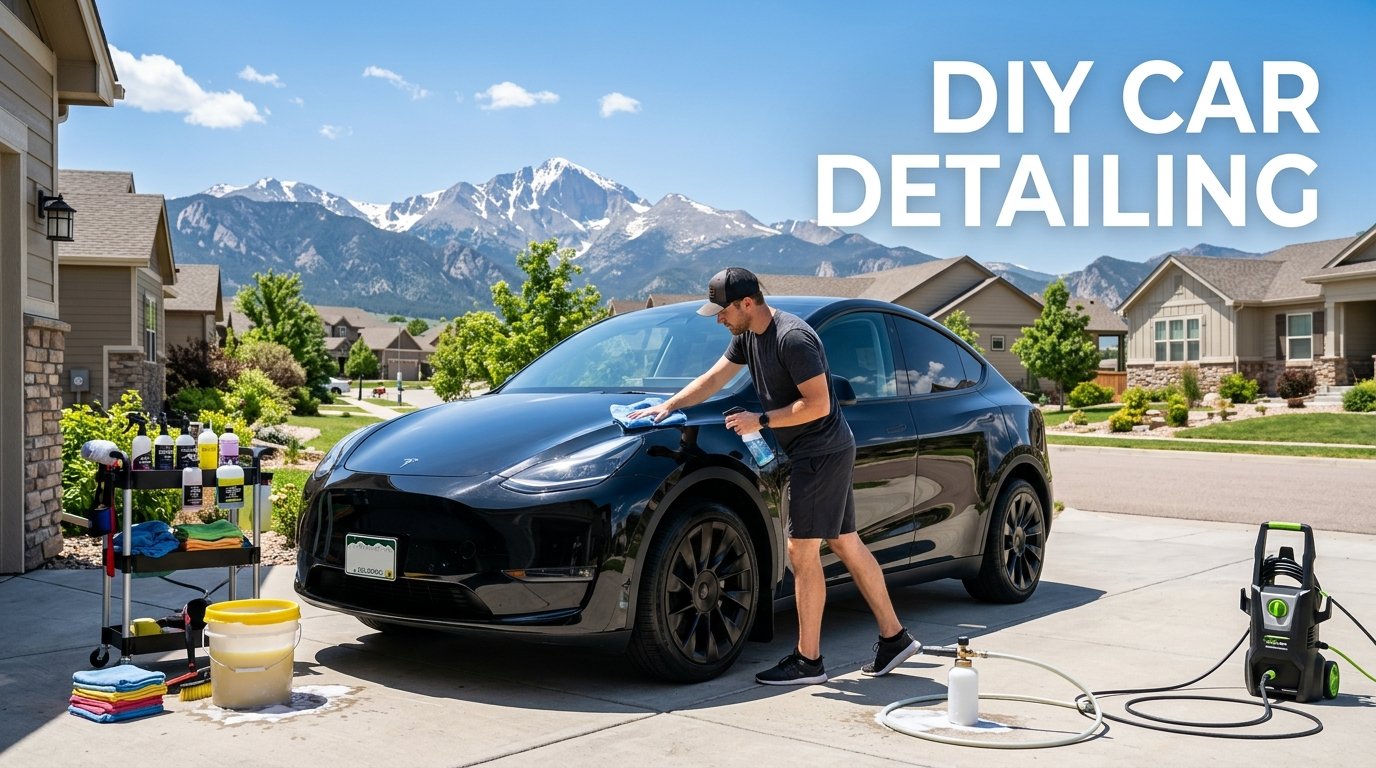
Starting DIY car detailing requires basic tools. You need buckets, microfiber wash mitt, sponges, brushes, microfiber drying towel, cloths, and sprayers. Quality matters. Cheap microfiber falls apart quickly. Invest in good microfiber products. You need car wash shampoo, wheel cleaner, interior cleaner, upholstery cleaner, and either wax or sealant.
For basic detailing, this equipment and supplies cost one hundred to two hundred dollars initially. Supplies need replacement occasionally but initial investment is one-time. Compared to professional detailing costs, this is economical. For specialized treatments like clay bar detailing or paint correction, additional products and tools are needed. Start basic and upgrade as desired.
Some people use pressure washer and foam cannon which cost more but make washing faster and easier. These tools are optional but worthwhile if you’re detailed frequently. Consider your commitment level before investing in specialty equipment.
When Should You Consider Professional Detailing Instead?
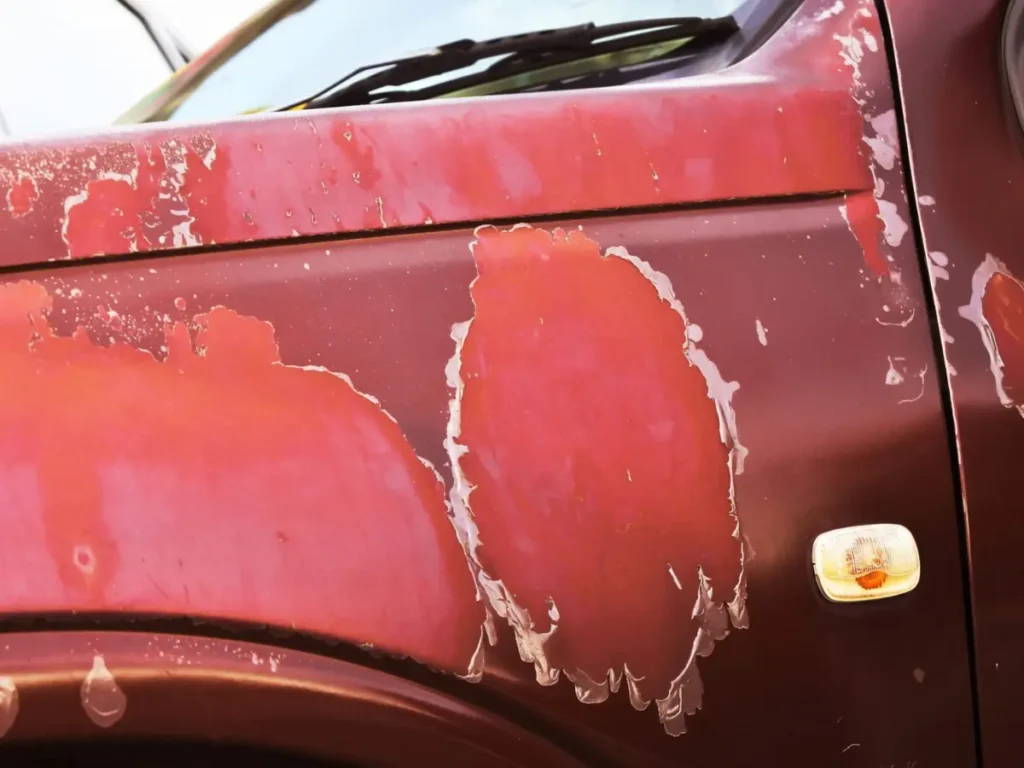
Professional car detailing makes sense for cars needing paint correction, severe neglect, or specialized treatment. If your paint is heavily oxidized or has swirls that DIY waxing won’t fix, professional polishing is necessary. If your car has deep scratches or damage, professional evaluation is worthwhile. Sometimes the damage requires repair rather than detailing.
Mobile detailing alternative services come to your home, saving you time and hassle. For busy people, professional mobile detailing makes sense. The cost is reasonable for the convenience. Some people do basic maintenance themselves and get professional detailing annually for deep cleaning and paint care.
DIY car detailing works for regular maintenance on cars in good condition. For specialty work or severely neglected cars, professional help is appropriate. Recognize when a project exceeds your capability or time availability.
What About Water-Smart Detailing Methods?
Longmont’s dry climate makes water conservation sensible. Waterless washing systems exist that clean without traditional rinsing. These products spray on, break down dirt chemically, then wipe off. They’re effective for lightly soiled cars but struggle with heavily soiled vehicles. They’re good for touch-ups between full washes.
Water-smart washing means using less water more efficiently. Proper technique prevents wasting water during rinsing. Using buckets instead of constantly running hose saves water. Collecting rinse water for landscape use reduces waste. Small changes add up to meaningful water conservation.
Colorado residents appreciate water conservation in this dry climate. Detailing your car thoughtfully about water usage shows environmental responsibility. The techniques work effectively and save water.
Frequently Asked Questions About DIY Car Detailing
How often should I detail my car at home?
Wash your car every two weeks in normal conditions. Every week if you drive dusty roads frequently. Colorado dust requires regular washing in Longmont. Deep detailing including wax or sealant application is necessary every three to six months depending on conditions and product used. More frequent washing with less frequent deep detailing is typical maintenance pattern.
Can I use regular household cleaners on my car?
No. Regular cleaners aren’t formulated for automotive surfaces. They can damage paint, trim, and interior materials. Use pH-neutral car shampoo specifically formulated for vehicles. Use products designed for the specific surface: wheel cleaner for wheels, dashboard cleaner for dashboard, upholstery cleaner for seats. Automotive products protect while cleaning.
How long does the complete DIY detailing process take?
A full detail takes four to six hours depending on vehicle size and current condition. Basic washing takes one to two hours. Deep detailing including interior cleaning and protection products takes longer. Break it into sessions if preferred. Doing a complete detail monthly or quarterly combined with regular washing maintains your car well.
What’s the difference between wax and sealant?
Car waxing is traditional protection lasting about three months. Wax requires buffing and application effort. Paint sealant lasts longer, six to twelve months typically. Sealants are easier to apply but cost more. Both protect paint and provide shine. Choose based on time commitment and budget preference.
Do I need professional equipment for quality detailing?
No. Basic equipment works well for home detailing. Quality microfiber products, proper technique, and good products produce excellent results. Professional-grade equipment like pressure washer and foam cannon make things easier but aren’t essential. Start with basic supplies and upgrade if you detail frequently.
When should I get professional detailing instead of DIY?
If your car has oxidation, swirls, scratches, or severe paint damage, professional paint correction is necessary. If your car is extremely neglected or hasn’t been detailed in years, professional deep cleaning might be worthwhile. For regular maintenance on well-kept cars, DIY detailing works great. For specialty work, professional help is appropriate.