Luxury car cleaning mistakes rarely come from neglect. They usually come from treating an expensive vehicle the same way you’d treat any other car: same soap, same towel, same rushed drying routine. The paint, wheels, and interior on many higher-end vehicles aren’t automatically more fragile than average, but repairs cost more when something goes wrong. A scratch that buffs out for sixty dollars on one car can mean a full panel respray on another. Knowing which habits create real risk separates a car that ages well from one that needs correction work every year.
Why the Cleaning Approach Matters More on Some Luxury Vehicles
No two vehicles wear their finish the same way. Clear coat thickness and paint hardness vary between manufacturers and sometimes between two vehicles built a year apart on the same line. Wheels might be painted, powder coated, or bare polished alloy, and each reacts differently to brake dust. Interior materials add another layer: coated leather handles a mild, fine cleaner, while aniline leather might need something gentler.
The point isn’t that luxury cars are sensitive. It’s that the right way to wash and dry a car depends on what that specific car is made of, and most owners never get told what their vehicle’s finish actually requires. Professional exterior detailing takes those surface differences into account instead of treating every vehicle the same.
Common Mistakes Luxury Car Owners Make When Washing and Drying
Washing in Direct Sun or on Hot Panels
Metal heats up fast in direct sunlight, often well above the surrounding air temperature. When soap hits a hot panel, the water evaporates before you’ve finished the section, leaving a thin film that shows up as streaking. Washing early in the morning, in the evening, or in the shade avoids it.
Using the Wrong Wash Media
What touches the paint matters more than the soap itself. Dish soap cuts grease effectively, which is also why it strips wax and sealant faster than a dedicated car shampoo. The bigger issue is usually the applicator: a sponge or towel carrying grit from a previous pass drags that grit across new paint, leaving fine marring that only shows up in direct sunlight. A soft microfiber mitt, kept clean between uses, avoids most of this.
Skipping the Two-Bucket Method
Picture washing a dusty wheel well, then moving to a door panel with the same mitt and bucket. Whatever grit came off the wheel is now in that soap, and the next dip carries some of it back onto the paint. A second bucket of plain water, used to rinse the mitt before it returns to the soap, breaks that cycle and removes one of the more common ways fine scratches build up over a year of washing.
Skipping Decontamination Before Washing
A wash removes loose dirt, not necessarily what’s bonded to the paint. Tree sap, road film, and airborne particles from traffic can sit on a clear coat through several washes, sometimes feeling slightly rough even on paint that looks clean. Clay treatment or a chemical decontamination product lifts that layer before it gets sealed under wax. A garaged weekend car may go a long stretch without needing this; a daily driver in heavy traffic benefits from doing it more often.
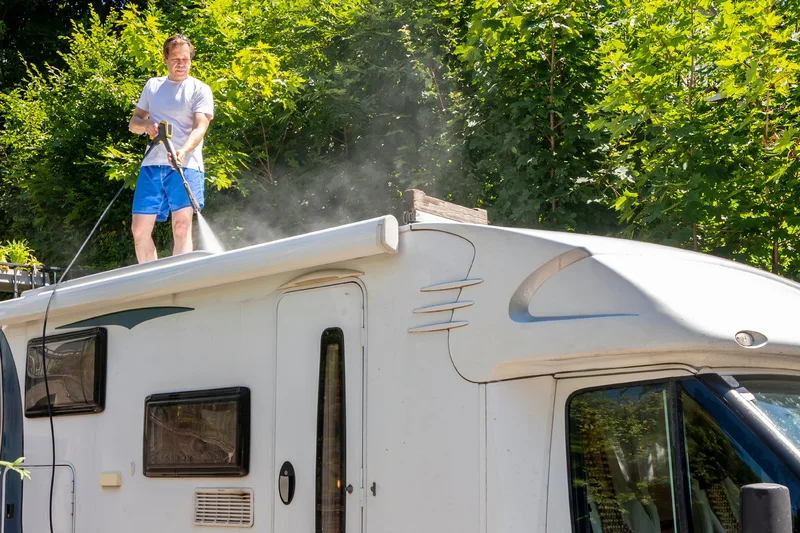
Misusing a Pressure Washer
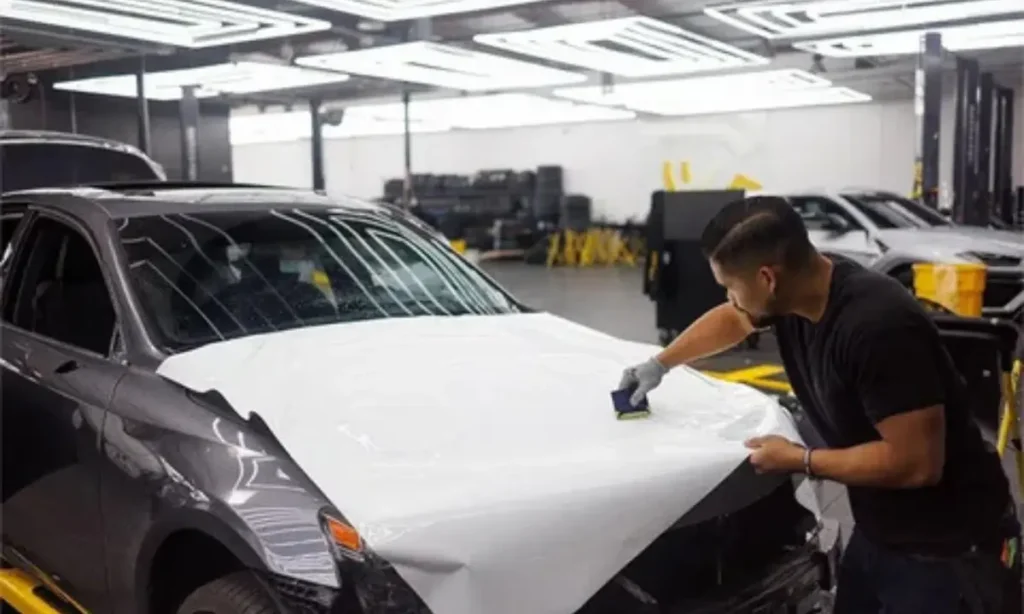
A pressure washer speeds up rinsing without causing problems when used with reasonable care. The problem starts when the nozzle gets held too close to trim edges or the seam of a paint protection film, where concentrated pressure can force water underneath and lift the edge. Keeping some distance and using a wider fan tip near those spots avoids it.
Drying Technique and Water Spots
Water carries dissolved minerals, and when it evaporates, those minerals stay behind as a spot. A single spot from a quick rinse usually wipes off without effort. The real problem shows up when the same panel dries in the sun repeatedly, spot after spot, with no proper wipe down in between. Over time those deposits get harder to remove and can occasionally etch faintly into the clear coat. A microfiber towel or spray drying aid after rinsing prevents that buildup.
Overlooking Wheels and Brake Dust
Brake dust is a mix of fine particles worn off pads and rotors, combined with whatever grime is in the area. It isn’t accurate to call it corrosive across the board, but it carries abrasive particles that can scratch a wheel’s finish if wiped off dry instead of rinsed first. Left to build up over weeks, it bakes on and makes the eventual cleaning job harder. Matching the cleaner to the wheel’s actual finish works better than grabbing whatever spray bottle is closest, especially when regular wheel washing is needed to keep brake dust and road grime from building up.
Using the Wrong Products on Leather or Interior Surfaces
Interior materials vary enough that a product safe for one seat can be too harsh for another in the same car. Coated leather has a protective layer that handles routine cleaners reasonably well, while uncoated or aniline leather absorbs more directly and can dry out or fade under the wrong product. Checking what’s actually in the vehicle, rather than assuming any leather cleaner will do, avoids most of this. The same care applies when choosing interior detailing for vehicles with different leather and upholstery materials.
Cleaning Carelessly Around Sensors and Cameras
Some newer vehicles have small cameras or sensors built into badges, grilles, or mirror housings. Spraying cleaner directly at those spots instead of onto a cloth first can leave a light film that slightly affects visibility until it’s wiped clean again. It isn’t a reason for concern, just a habit worth adjusting.
DIY Care vs. Tasks That Carry More Risk Without Experience
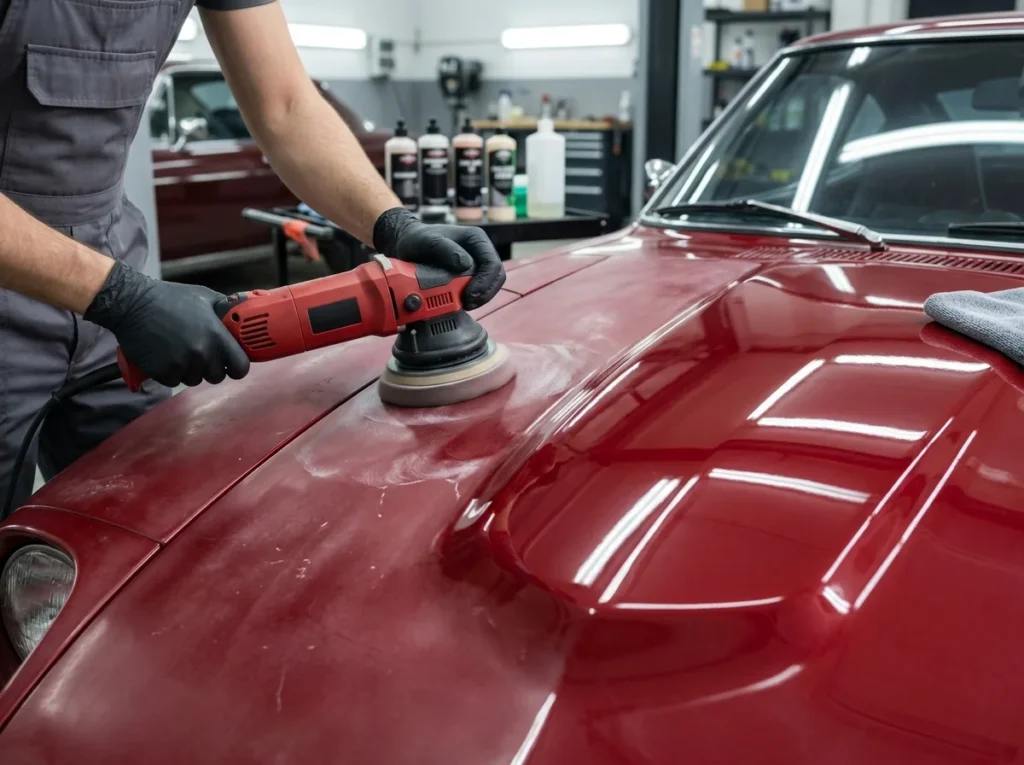
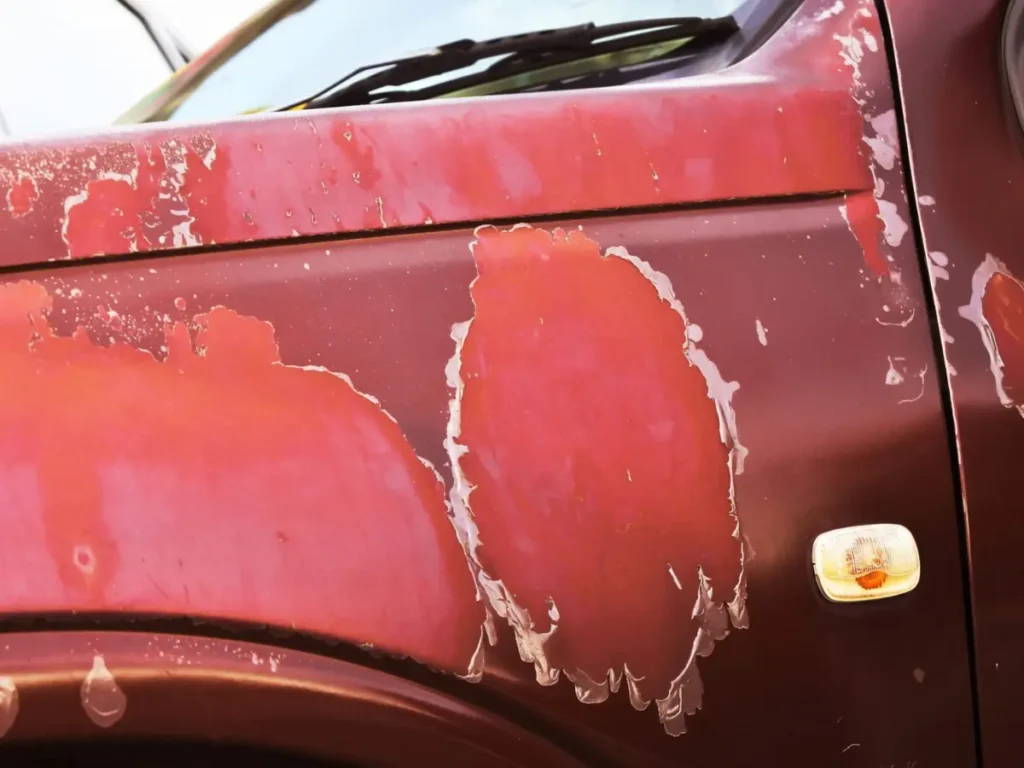
Most routine washing and interior upkeep is well within reach for an owner using suitable products and a bit of care. Things get riskier with paint correction or working on an unfamiliar finish, since mistakes there are harder to undo than a missed spot during a wash. More significant fading or paint damage may require professional color paint restoration rather than additional DIY cleaning.
| Reasonable to Do at Home | Carries More Risk Without Experience |
| Routine exterior washing with suitable products | Aggressive paint correction |
| Basic interior cleaning with compatible products | Removing stubborn paint defects |
| Gentle wheel cleaning | Working aggressively on unfamiliar finishes |
| Careful drying | High-risk pressure-washing techniques |
What to Consider When Choosing Help for Luxury Car Detailing in Longmont, CO
Before handing over the keys for riskier work, a few direct questions help. How will the car be washed? What products get used on paint versus wheels versus the interior? The answers say more about whether your vehicle will be treated correctly than reputation alone. If you’re comparing options for car detailing in Longmont, ask how the provider handles paint, wheels, interior materials, and any existing surface defects before booking.
Habits That Help Between Washes
A few small habits reduce how much builds up between full washes. Getting bird droppings or bug residue off soon after they land keeps them from sitting on the paint longer than necessary. Dragging a dry towel across a dusty panel causes light scratching, so that’s worth avoiding. Checking the wheels every few days catches brake dust before it bakes on.
Frequently Asked Questions
Can swirl marks and water spots be removed from luxury car paint?
Light swirl marks can often be reduced through machine polishing or a full paint correction, depending on how deep they’ve gotten. Water spots caught early usually come off with a normal wash, though deposits left sitting for a long time can sometimes leave faint etching that needs actual correction.
Does washing a luxury car at home increase the risk of damage?
It can if using the wrong soap, mitt, or drying method; using suitable products and correct technique keeps home washing reasonably low risk.
Is a touchless automatic car wash a safe option?
It depends on the wash and the car. Touchless systems skip the brush contact that causes swirl marks, which helps, but they lean on stronger chemicals to make up for that. It’s a reasonable occasional option, not necessarily a full replacement for hand washing.
Does a ceramic coating or sealant mean a car doesn’t need careful washing anymore?
No. A properly maintained coating or sealant can make some contamination easier to rinse off, but it doesn’t replace good technique. A coated car washed with a dirty mitt or dried carelessly can still end up with swirl marks or water spots.
Getting Help With Your Car’s Detail Work
The right cleaning method depends on the vehicle and the condition of its surfaces. Careful detailing can help avoid unnecessary wear while keeping the paint, wheels, and interior in good condition.
At Izzy’s Auto Detailing LLC, we provide professional auto detailing in Longmont, CO. We offer exterior detailing to clean the vehicle’s exterior surfaces, machine polishing to improve the appearance of paint with swirl marks and other visible defects, and wheel washing to remove accumulated dirt and brake dust. If your vehicle needs professional detailing in Longmont, CO, call us at 720-266-1760 to discuss the service it needs.