Investing in the best car buffer and polisher is one of the smartest decisions you can make. As a weekend car enthusiast or a professional detailer, the right tool can save you time and effort to make your car shine again. The market has multiple options available, from a beginner-friendly dual-action polisher or a more powerful rotary machine. In this guide, we break down everything you need to know about which is the best car buffer and polisher, benefits, how to select the right model, and a step-by-step guide on using it.
Top 5 Best Car Buffers & Polishers
Choosing the best car buffer and polisher may seem like an impossible task. We’ve sorted it out to the best-rated models in various categories, including entry-level kits and professional-grade machines, so that you can make a wise decision depending on your financial capabilities and level of skills.
Best Overall
This machine is powered with just the right amount of power, safety, and comfort. It is a variable speed with an ergonomic design and dial, which makes it friendly to new and advanced users.
Best for Beginners
It is an all-in-one kit that comes with all the necessities to start with. It is easy to use, portable, and has enough power to handle entry-level detailing.
Best Budget Option
Ideal for those on a tight budget, this orbital buffer offers good performance for light polishing and wax application.
Best Professional-Grade
Built for durability and performance, this rotary buffer provides unmatched power for deep paint correction. Ideal for experienced detailers.
Best Cordless Polisher
This cordless model is great when you are doing mobile detailing or need to get into tight spots; it does not sacrifice mobility and still performs great.
Types of Car Polishers Explained
You can choose the right type of car polisher based on your experience and goals. Each type offers unique benefits and performance. However, understanding the differences between these polishers makes it easy for you to select the most effective and safest tool for your vehicle.
Rotary vs. Dual-Action (DA) Polishers
- Rotary polishers rotate in a constant circular direction. They have a greater cutting power that is best suited to heavy correction work, but they need some experience to prevent cutting through the paint.
- Dual-action (DA) polishers rotate and oscillate, which is safer to use when one is starting. The random action prevents the concentration of heat and decreases the possibility of paint burn.
Random Orbital Polishers – Best for Beginners?
Yes. Random orbital polishers are the most forgiving and are perfect for people who are new to car detailing. They provide enough power for light to moderate correction without the risk of creating holograms or damaging the paint.
Which Type Is Right for You?
- Beginners: Go with a dual-action or random orbital polisher.
- Experienced users: A rotary or forced rotation DA offers more cutting power.
- Professionals: Invest in both to cover a wider range of detailing jobs.
Step-by-Step Car Polishing Guide
Once you’ve selected the right buffer, understanding how to use it properly is crucial to avoid damage your car’s paint.
How to Polish a Car Safely (Beginner Tips)
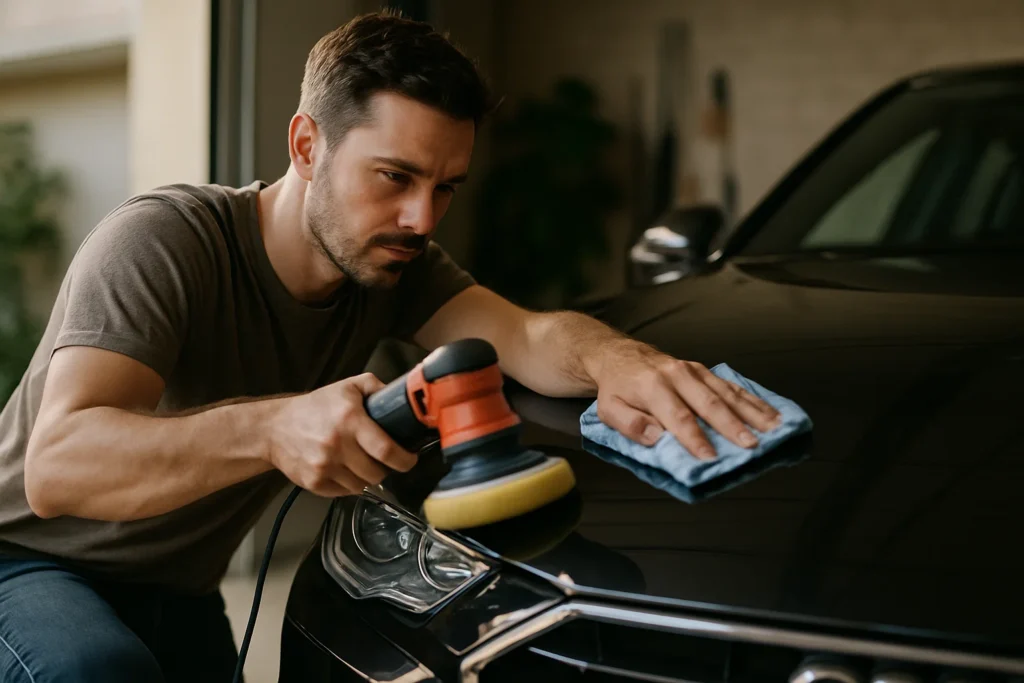
- Wash and decontaminate your vehicle
- Tape off sensitive areas (trim, emblems)
- Apply the compound to the pad
- Work in 2×2 ft. sections
- Use slow, overlapping passes
- Wipe off residue with a microfiber towel
Avoiding Common Mistakes (Burn Marks, Holograms)
- Don’t press too hard
- Keep the pad moving at all times
- Clean or change pads frequently
- Don’t polish under direct sunlight or on hot panels
Post-Polish Care (Sealants, Waxes, & Coatings)
After polishing, protect the surface with:
- Paint sealants: Last up to 6 months
- Waxes: Enhance gloss, last 1–2 months
- Ceramic coatings: Provide long-term protection (1–3 years)
Why Use a Car Buffer or Polisher?
Vehicle finish care is not merely a question of appearance, but of keeping the vehicle value and preventing the paintwork from permanent deterioration. Car buffer or polisher is a must-have product when you want to improve the look of your car by removing swirl marks, oxidation, and surface scratches. As a hobbyist or a professional detailer, knowing the importance of machine polishing is the major factor in getting that showroom perfect luster.
Benefits of Machine Polishing vs. Hand Polishing
Although gloss can be enhanced by hand polishing, however, machine polishing is much better and faster. Buffers provide even pressure and action that results in a more even finish. They also do a much better job of removing deeper defects, like swirl marks, light scratches, and oxidation, which hand polishing cannot hope to deal with.
How Buffers Restore Faded Paint & Remove Scratches
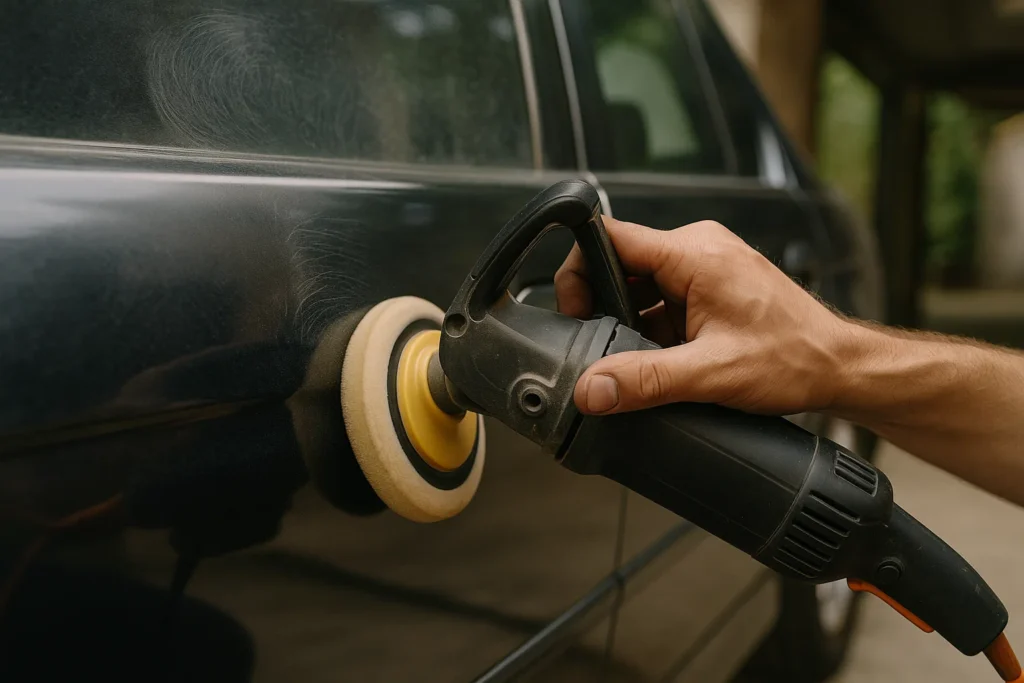
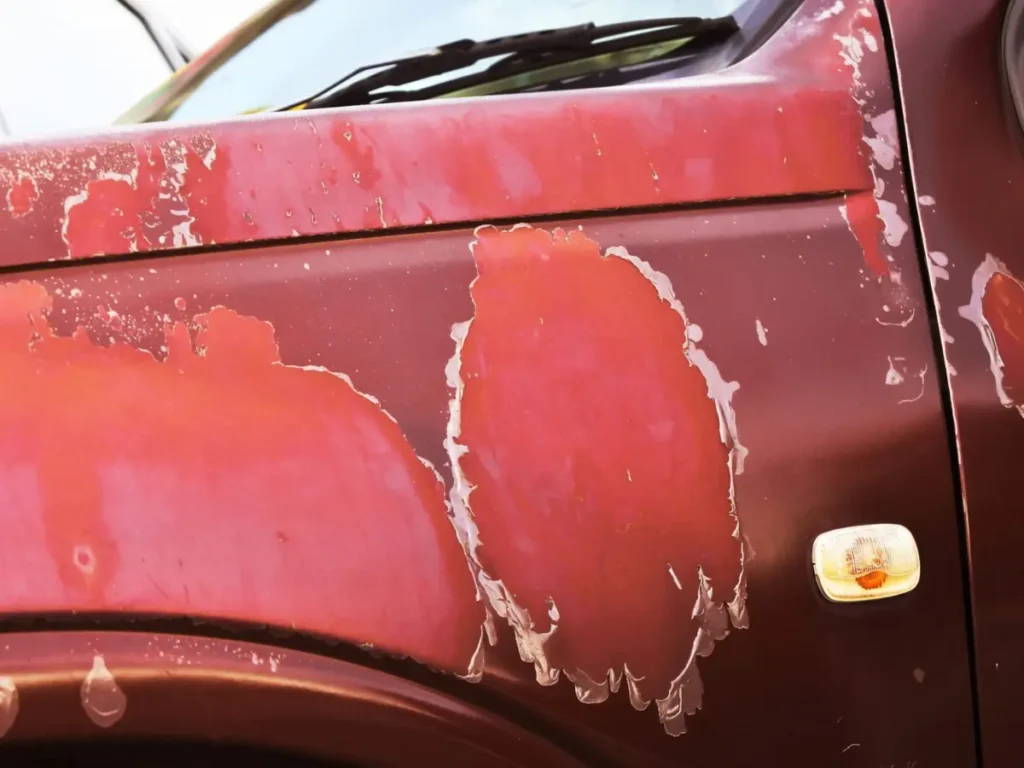
Over time, the paint on your car becomes contaminated and has imperfections which makes it dull. A good polisher will take off a small amount of the clear coat and will leave a new glossy surface underneath. A machine buffer, used with the correct polishing compound, can remove swirl marks and light scratches and even moderate oxidation.
When Should You Polish Your Car?
You should polish your car at least once or twice a year, especially if:
- The paint feels rough to the touch
- You notice swirl marks or fine scratches
- The color appears faded or uneven
- You plan to apply a wax or ceramic coating for protection
How to Choose the Right Car Polisher
The right car polisher is more than just picking a popular brand. You can choose a machine that fits your needs and comfort level.
Power & Speed Settings: Select a polisher that has a variable speed. The variable speed control allows regulating various tasks, including light polishing, cutting, or finishing, without destroying the surface.
Ergonomics & Weight (Comfort for Long Sessions)
A lightweight and ergonomically designed buffer minimizes fatigue during extended detailing sessions. Features like soft grips and balanced weight distribution make a big difference.
Corded vs. Cordless – Which Is Better?
- Corded polishers are maintenance power tools and are best used during prolonged sessions.
- Cordless polishers provide better mobility, useful for mobile detailers or in tight spaces.
Backing Plate Size & Pad Compatibility
The most common sizes are 5” and 6”. Ensure the machine supports standard backing plates and pads, so you can easily switch between different correction stages.
Conclusion
Finding the best car buffer and polisher doesn’t have to be overwhelming. Whether you’re a beginner or a professional, understanding the different types of polishers, their uses, and which features matter most will help you make the right choice. A good DA polisher is a good place to start, especially when you are a beginner. A rotary model is worth investing in, though, when you are more experienced and require greater correctional power. Always have the correct pads and compounds to do the task, and practice safe polishing techniques to get that flawless swirl-free finish.
FAQs
Can a Polisher Damage Car Paint?
Yes, when applied incorrectly-particularly with rotary polishers. New users are better off with dual-action or random orbital machines to prevent burning or thinning of the paint.
How Often Should You Polish Your Car?
Once or twice a year is sufficient for most cars. Without subsequent protection, frequent polishing may remove the clear coat.
Can You Use a Car Polisher on Ceramic Coating?
Unless you want to remove the coating, you must not polish ceramic-coated cars. During polishing, the integrity of the protective layer may be lost.