You just washed the car. It’s clean, but the paint still looks flat. Pull it into direct sun, and the problem shows up fast: fine circular scratches all over the hood, plus a light haze that soap won’t touch. Another wash isn’t going to fix that. Those marks live in the clear coat itself.
Paint correction vs polishing is usually the next question people ask. The two terms overlap more than most folks realize. Polishing is a technique. Paint correction is a bigger process that often uses polishing to reduce defects. It really depends on how much damage the paint has and what kind of finish you’re looking for.
How Does Paint Correction Differ From Polishing?
Shops mix these words up all the time. That matters, because you could pay for one and expect the results of the other. Paint correction focuses on reducing paint defects, while polishing is often used to improve gloss and clarity.
| Factor | Polishing | Paint correction |
| Main purpose | Improve gloss and refine the finish | Reduce visible paint defects |
| Typical scope | May be a single treatment | May involve one or more correction steps |
| Common goal | Enhance appearance | Improve appearance by reducing defects |
| Best choice | Depends on the paint’s condition | Depends on defect severity and safe correction limits |
What Does Automotive Paint Polishing Do?
During polishing, a detailer uses a machine, pad, and polish to refine the clear coat’s surface. The majority of polishing products have a fine abrasive in them that wears down the surface during polishing. Polishing helps restore shine and improve paint clarity. It can help soften fine swirls and mild cloudiness in the paint. When the paint is already in good shape, a standalone polishing service may deliver the improvement it needs.
What Makes Paint Correction Different?
Paint correction starts with the defects, not the shine. A detailer studies what’s wrong and decides how much cutting it takes to reduce it safely. Sometimes that’s one polishing step. Sometimes it’s a heavier compound followed by a finishing polish. Polishing is sometimes used alongside other steps to correct paint defects. Correction is just the bigger plan, built around defect removal.
Which Car Scratches Respond Best to Polishing?
Not every scratch that looks similar can be treated the same way. What really counts is how far the scratch reaches and how much clear coat is left. One mark may respond to polishing, while another needs a different fix.
Defects a Light Polish May Improve
Fine swirl marks are the classic case. They come from dirty wash mitts, tunnel car washes, and dry towels dragged across dusty paint. Light marring and some shallow scuffs are in the same tier as mild haze. Does polishing remove scratches? If it’s just a surface scratch, the solution might simply be to polish it. A polish can be used to make a defect less noticeable rather than less. That’s normal. This is frequently the wiser deal.
When More Extensive Correction May Be Appropriate
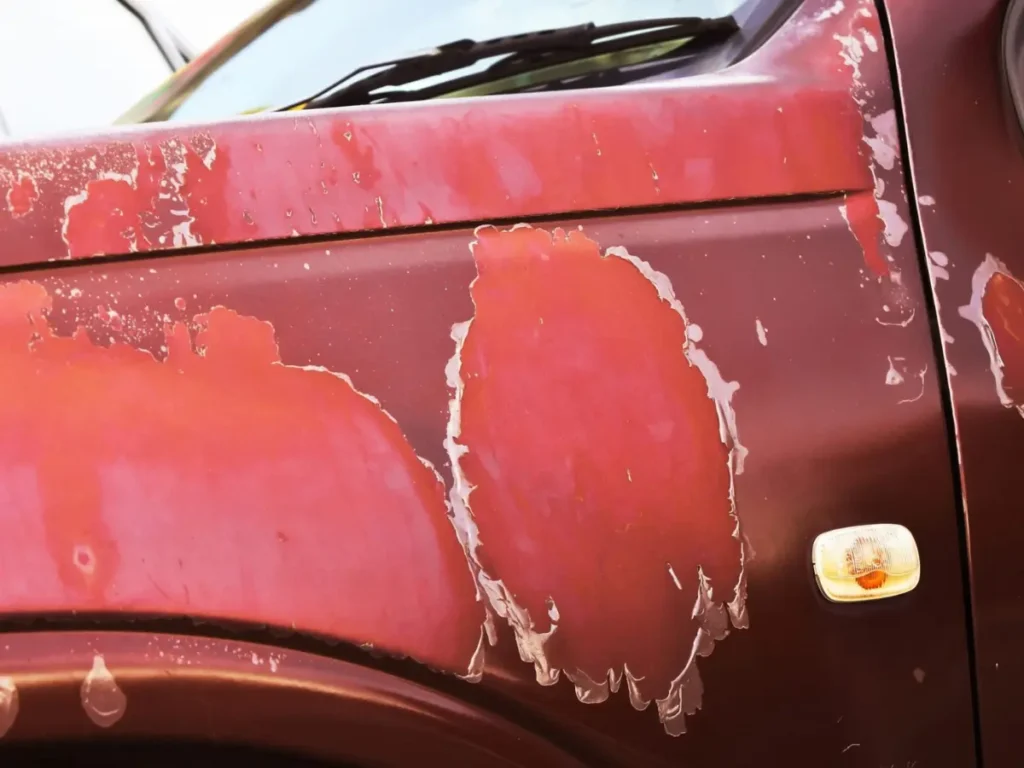
Heavy swirls across several panels call for a closer look. Same goes for light scratches that a finishing polish barely touches. Those may respond to a more involved correction with a stronger abrasive. Deep scratches are another story. If you see primer or a peeling clear coat, no polish will fix it. That’s paint repair territory. Some people use the fingernail test. If your nail catches, the scratch might be deep. Treat that as a rough clue, not a diagnosis.
How Do Detailers Choose the Right Paint Treatment?
A good recommendation comes after an inspection. It shouldn’t come from the car’s age or a quick look in the driveway. A three-year-old SUV can have worse paint than a ten-year-old sedan that lived in a garage.
Inspect the Paint Under Proper Lighting
Overcast skies and garage lights hide a lot. A paint inspection light exposes swirls, haze, and random scratches you’d otherwise miss. Since some panels may have more damage than others, detailers look over the paint one section at a time. The hood might be beat up from years of washing, while the doors look decent. The paint also needs to be clean first, or dirt gets mistaken for damage.
Test the Least Aggressive Effective Approach
Before touching the whole car, a careful detailer tests a small spot. A mild polish and pad come first. If that gets the result, there’s no reason to go harder. Polishing gradually wears away the clear coat, so it’s important not to remove more than necessary. On thin or repainted panels, a paint-thickness reading can help set safe limits. Clear coat preservation is the whole reason to start gently.
What’s the Right Choice for Your Car’s Paint Condition?
Three things drive this decision. What shape is the paint in? What would you like to improve about your car’s paint? How much improvement is realistic without eating too much clear coat? Someone getting a car ready to sell may want something very different from someone chasing the cleanest finish possible.
| Vehicle condition or goal | Option to consider |
| Healthy paint with slightly reduced gloss | Light polishing |
| Fine swirls visible in direct light | Polishing or light correction, depending on severity |
| More noticeable swirls across several panels | Assessment for more involved correction |
| Deep scratches or peeling clear coat | Evaluation for paint repair |
| A glossier finish without pursuing every defect | A suitable enhancement polish |
| Paint improvement before applying protection | Assess whether polishing or correction is appropriate |
Use this table as a starting point. It can’t replace looking at your actual paint under good light. Plenty of cars fall somewhere between rows. That’s where an in-person inspection earns its keep.
How Do Polishing Tools and Abrasives Affect the Result?
The machine alone doesn’t decide the outcome. The pad, the product, and the person running the machine all work together.
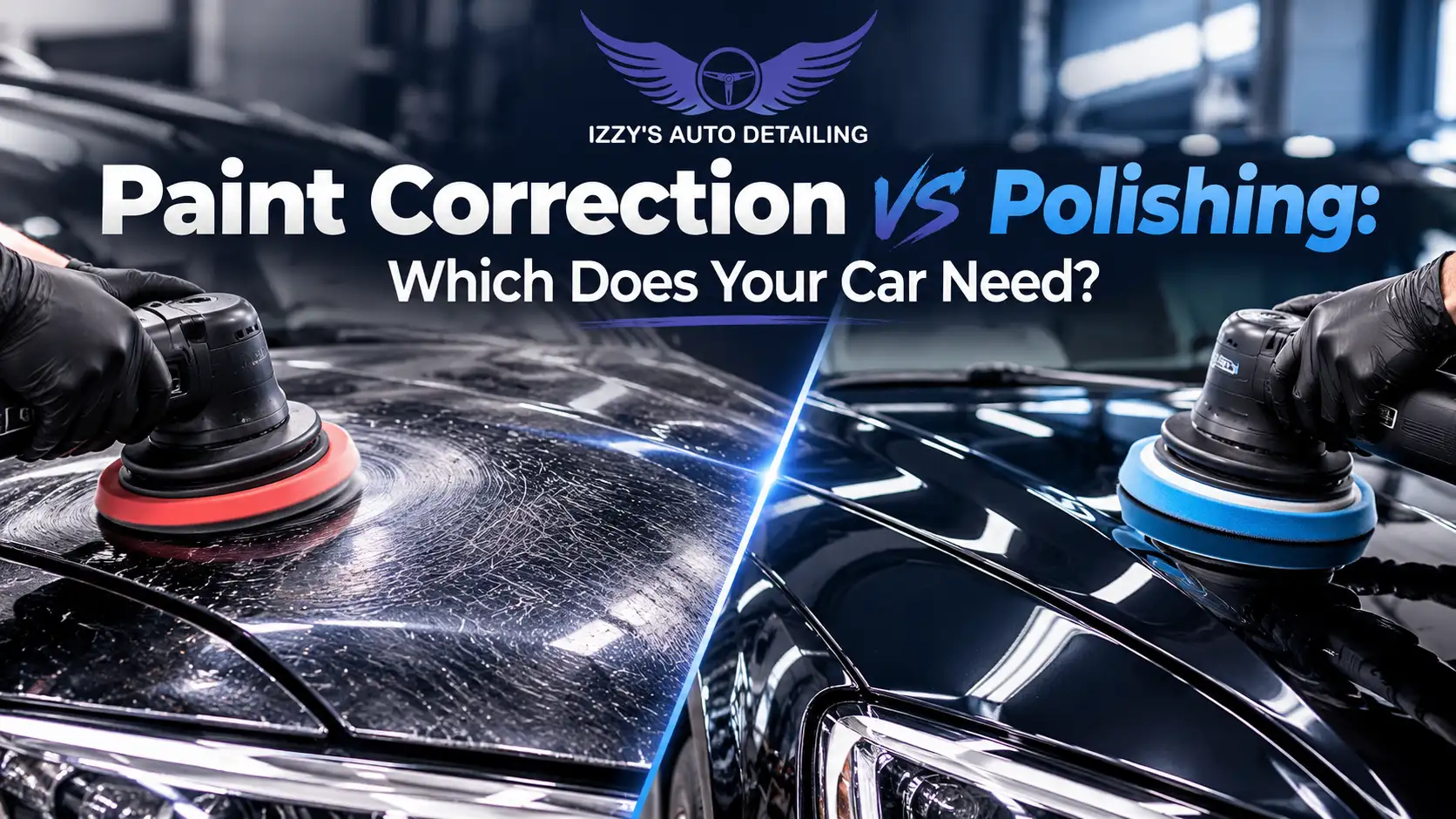
A dual-action polisher oscillates as it spins. It runs cooler and is easier to control and therefore is used to do most of the machine polishing jobs. A rotary polisher spins in one direction along a central axis. It cuts quickly and generates a significant amount of heat; that requires know-how. The harder the polishing pad, the more it will cut. Softer finishing pads are used to smooth the finish. An abrasive compound is less soft than a finishing polish and does not result in a finish until the defects call for it.
How Can You Maintain the Finish After Treatment?
Fresh paintwork won’t stay fresh if the wash routine stays rough. A few habits go a long way.
- Wash with a dedicated car soap and clean microfiber mitts.
- Skip brush-style car washes. They put swirls right back.
- Dry with a soft, clean towel and blot instead of scrubbing.
- Add a wax, sealant, or other paint protection that fits how you drive and park.
Protection helps the finish last longer. It doesn’t make paint scratch-proof. Careless washing can still leave marks on a protected car.
Frequently Asked Questions
Is Paint Correction the Same as Polishing?
Not exactly. Polishing is a technique. It can be used alone to boost gloss and clarity. It can also be one part of a paint correction job aimed at reducing visible defects.
Can Polishing Remove Swirl Marks and Light Scratches?
Often, it can reduce them a lot. Results depend on defect depth, the paint’s condition, and the method used. Some marks fade without disappearing completely, and that’s a normal outcome.
Does Paint Correction Remove Clear Coat?
Yes, a small amount. Abrasives level the clear coat around a defect so it becomes less visible. That’s why a conservative approach matters. Starting gently leaves more clear coat for protection and future care.
Choose the Right Paint Enhancement Service for Your Vehicle
Light swirls and dull gloss often improve with a good polish. Heavier defects deserve a proper correction assessment first. Izzy’s Auto Detailing LLC is based in Longmont, Colorado. The team works with drivers across the surrounding Northern Colorado area and offers machine polishing along with paint correction. Call 720-266-1760 to talk through your paint’s condition and figure out which treatment makes sense for your car.